






Ancient vs Modern Damascus Steel Explained: A Complete, Honest, and In-Depth Comparison
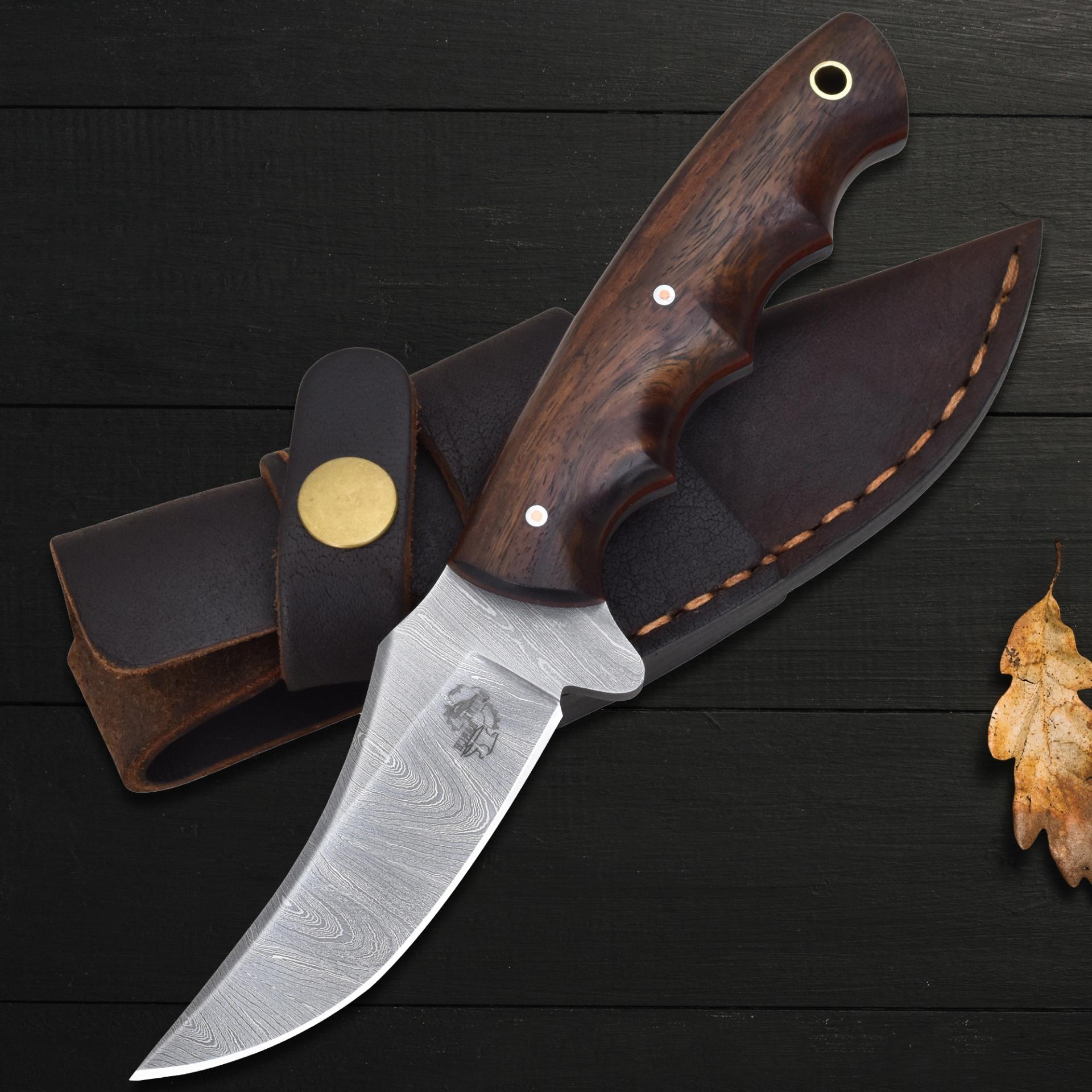
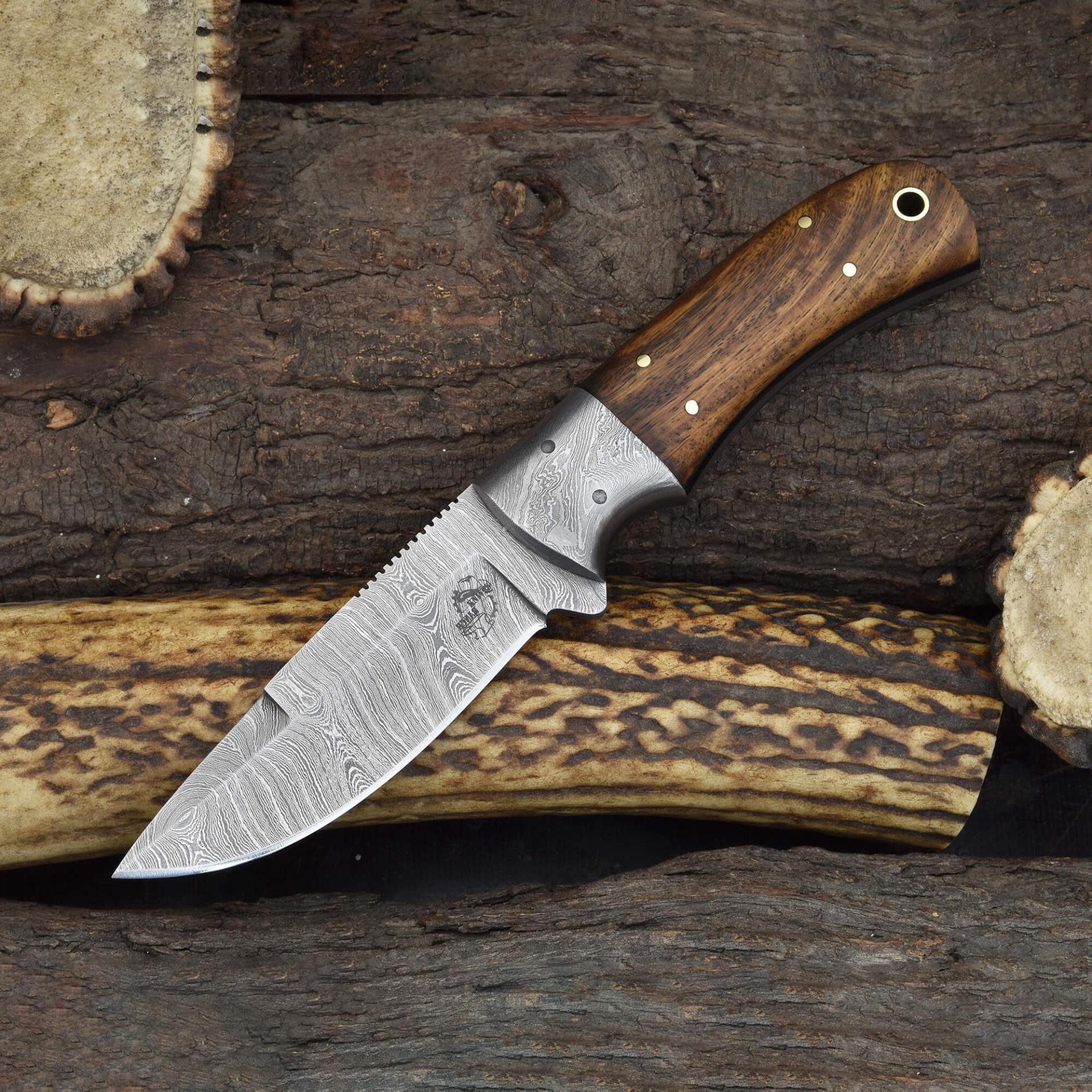
Knives Ranch Classic Damascus Steel Knife with Rosewood Handle and Side Mount Horizontal Sheath
$100.00
View Details
Damascus steel has endured for centuries not because of marketing or mythology, but because of its exceptional performance. Long before the word “Damascus” became a selling point, it represented something very real: steel that behaved differently from everything else available at the time. For knife users, then and now, that difference mattered.
Today, however, Damascus steel exists in two very different forms: ancient Damascus steel, born out of necessity and discovery, and modern Damascus steel, shaped by knowledge, control, and intention. Understanding the difference between the two is essential for anyone who truly uses knives, collects them, or invests in quality blades.
This is not a surface-level comparison. This is the full story.
Ancient Damascus Steel: When Steel Was Still a Mystery
Ancient Damascus steel emerged in a world where steelmaking was closer to alchemy than science. Craftsmen did not understand carbon percentages, grain structure, or heat treatment curves. They worked with observation, repetition, and experience passed from one generation to the next.
The steel we now refer to as ancient Damascus originated from Wootz steel, produced primarily in ancient India and Sri Lanka. Unlike bloomery iron or early European steel, Wootz was made by fully melting iron inside sealed clay crucibles. Carbon was introduced during the melt itself, not added afterward.
This mattered immensely. Full melting allowed carbon to distribute through the metal in a way that was almost impossible using other techniques of the time. When the molten steel cooled slowly, it formed internal carbide structures that gave the steel its unique combination of hardness and toughness.
At this stage, the steel was not yet a knife. It was an ingot, potential locked inside metal.
From Steel to Knives: The Role of Damascus Smiths
The transformation of ancient Damascus steel into legendary knives happened later, primarily in the Middle East. Damascus, Syria, became a major center where Wootz steel ingots were forged into finished blades. This was not accidental.
Forging Wootz steel was extremely difficult. Excessive heat destroyed the internal structure. Incorrect hammering caused cracks. Many blades failed before one succeeded. Damascus smiths learned, through years of failure, how to shape knives and swords without ruining the steel.
The knives that survived this process were extraordinary. They cut longer, flexed under pressure instead of snapping, and resisted edge damage better than most blades of the era. These were not display knives. They were working tools and weapons.
For ancient knife users, performance came first. Beauty followed naturally.
Why Ancient Damascus Knives Were So Valuable
In the ancient world, a knife or sword was not a lifestyle accessory. It was survival equipment. Hunters depended on blades to process animals. Soldiers relied on them to stay alive. Merchants depended on them for protection.
Ancient Damascus knives earned value because they reduced risk. A blade that stayed sharp longer meant less frequent sharpening. A blade that did not snap meant fewer fatal failures. Over time, this reliability became legendary.
Because Wootz steel was rare and the forging process unforgiving, Damascus knives were expensive. Only elites, experienced warriors, and wealthy individuals could afford them. Many Damascus knives were passed down through generations, not replaced.
The Weakness of Ancient Damascus Steel
Despite its reputation, ancient Damascus steel had one major flaw: inconsistency.
Two blades forged from different ingots could behave very differently. Some were exceptional. Others were brittle or soft. Success depended entirely on the quality of the steel and the skill of the smith.
From a modern perspective, ancient Damascus steel was brilliant, but unstable as a system. It relied too heavily on individual craftsmen and undocumented knowledge. This fragility eventually led to its disappearance.
Why Ancient Damascus Steel Disappeared
The loss of ancient Damascus steel was not sudden. Trade routes collapsed. Political powers shifted. Colonial influence disrupted traditional steelmaking in India. Industrial steel production replaced handcrafted methods.
Most importantly, the knowledge behind Wootz steel was never written down. It lived only in practice. When the craftsmen died, the process died with them.
By the time modern metallurgy began to understand why Damascus steel worked, it was already gone.
Modern Damascus Steel: A New Purpose, A New Philosophy
Modern Damascus steel exists in a completely different context. Today, steelmaking is a science. Knife makers understand alloy composition, heat treatment, quenching methods, and grain refinement.
Modern Damascus steel is typically pattern-welded steel, created by forge-welding two or more different steel alloys together. These layers are folded, twisted, or manipulated to create visible patterns.
Unlike ancient Damascus, modern Damascus steel is engineered. The maker decides how the blade will look and how it will perform.
This shift changes everything.
Modern Damascus Knives: Designed for Consistent Use
Modern knife users expect reliability. A hunting knife must perform the same way every time. A kitchen knife must hold an edge predictably. An everyday carry knife must balance toughness with sharpness.
Modern Damascus steel allows this level of control. Makers can select steels that complement each other, one for hardness, one for toughness, and combine them into a single blade.
This is why modern Damascus knives are not just decorative. When made correctly, they are serious working knives.
The Role of Knives Ranch in Modern Damascus Craftsmanship
In today’s market, the biggest problem with Damascus knives is not the steel itself—it is the misuse of the name. Many blades are sold as “Damascus” purely because they have a pattern, without any focus on performance.
This is where Knives Ranch stands apart.
Knives Ranch treats Damascus steel the way ancient craftsmen did: as a functional material first. Steel selection, heat treatment, and blade geometry are prioritized over appearance. The patterns are there, but they are not the goal; they are the result of proper forging.
Knives Ranch Damascus knives are built for real users: hunters, outdoor enthusiasts, collectors who actually handle their knives, not just display them. This approach honors the spirit of ancient Damascus while fully embracing modern metallurgy.
Ancient vs Modern Damascus Steel in Real Knife Use
When comparing ancient and modern Damascus steel from a knife user’s perspective, context matters.
Ancient Damascus knives were revolutionary because nothing else could match them at the time. Modern Damascus knives are impressive because they combine beauty with repeatable performance.
A modern Damascus knife from a reputable maker like Knives Ranch will outperform most ancient blades in edge retention, corrosion resistance, and structural reliability; not because ancient steel was weak, but because modern knowledge eliminates guesswork.
Patterns: Meaning Then vs Meaning Now
In ancient Damascus steel, patterns were accidental. They emerged naturally from the steel’s internal structure. Some blades showed dramatic waves. Others showed subtle lines. Many showed nothing at all.
In modern Damascus steel, patterns are intentional. They are part of the design language. This makes modern Damascus visually striking, but it also means the beauty is planned rather than discovered.
Neither approach is better. They simply reflect different eras of knife-making.
What This Comparison Means for Buyers and Knife Users
Understanding the difference between ancient and modern Damascus steel helps buyers make informed choices. Ancient Damascus belongs in museums and historical collections. Modern Damascus belongs in your hand.
A high-quality modern Damascus knife is not a downgrade. It is the result of centuries of learning.
When you buy a Damascus knife today, especially from a brand like Knives Ranch, you are not buying a myth. You are buying a tool shaped by history, refined by science, and built for real use.
Final Thoughts: Same Name, Different Responsibilities
Ancient Damascus steel represents discovery without science, while modern Damascus steel represents mastery through knowledge. Both are remarkable achievements in the history of knives, and both deserve respect. But in today’s world, Damascus steel carries a responsibility: it must perform, not just impress. This is where craftsmanship truly matters. Brands like Knives Ranch carry this responsibility forward by treating Damascus steel as a working material, not a marketing label. By combining traditional forging principles with modern metallurgy, Knives Ranch produces Damascus knives that honor the legacy of the past while meeting the demands of real users today: hunters, collectors, and knife enthusiasts who value performance, durability, and authenticity over empty patterns.
The Craft Behind Handmade Knives
Handmade knives combine tradition, skill, and performance, delivering tools that are built to last.

Knife industry professional with 20+ years of experience in manufacturing, global markets, and brand development. Founder of Knives Ranch Inc., focused on handcrafted, workhorse knives built to international standards.
Visit Personal Website

