







Where Did Damascus Knives Originate? A Deep Look into Their True Roots
A Practical, Performance-Based Answer for Home Cooks and Chefs
The origin of Damascus knives is one of the most misunderstood topics in the knife world. Ask ten people, and most will tell you the same thing: Damascus knives came from Damascus, Syria.
That answer sounds logical, but it is only partially true, and in many ways, it hides the real and far more interesting story.
To truly understand the origins of Damascus knives, we need to separate the material, the craft, and the place. Only then does the full picture begin to make sense.
Damascus Knives Did Not Begin in Damascus
Let’s clear the biggest confusion first. Damascus steel is a modern name and not the ancient terminology. The name Damascus steel is given to a type of steel that was used to forge blades thousands of years ago. Damascus Steel was not originally invented in Damascus. The city gave the steel its name, not its birth.
The real origin of Damascus knives dates back thousands of miles, to iron ore mines of southern India and Sri Lanka. Blacksmiths of these areas were able to develop a unique form of high-carbon steel. This steel is now known as Wootz steel, and it predates Damascus itself as a knife-making center.
Indian metalworkers, as early as 300 BCE, had already mastered a method of melting iron inside sealed clay crucibles. This allowed carbon to dissolve evenly into the metal, producing steel that was far superior to anything made elsewhere at the time. When forged carefully, this steel could be turned into blades with remarkable strength, flexibility, and edge retention.
At this stage, these were not yet “Damascus knives” in name, but they were the ancestors of every Damascus blade that followed.
How Wootz Steel Became Damascus Knives
The transformation from Wootz steel to Damascus knives happened through trade, not invention.
Wootz steel was produced in the form of solid ingots and exported across major trade routes into Persia, Arabia, and the Levant. Damascus, located at a strategic crossroads of commerce, became one of the most important places where these ingots were forged into finished knives and swords.
Smiths in Damascus developed a deep understanding of how to work this steel without destroying its internal structure. That was no small achievement. Wootz steel was extremely sensitive to heat. Too much temperature and the blade loses its properties. Too little, and it became brittle and unusable.
Through experience rather than written science, Damascus smiths learned how to forge knives that revealed flowing surface patterns and delivered exceptional performance. Over time, blades forged in Damascus gained such a reputation that the steel itself became associated with the city.
This is how Damascus knives were born, not through invention, but through mastery
Read More: Damascus Knife Guide: Types, Uses, Care & How to Choose the Best One
Why Damascus Became the Name the World Remembered
When European traders and Crusaders encountered these knives and swords, they did not understand their material origins. What they saw were blades purchased or carried from Damascus, unlike anything they had seen before.
Naturally, they named the knives after the place where they encountered them. The term “Damascus knife” spread throughout Europe, even though the steel’s journey began much earlier and much farther east.
Over time, the name stuck, and the true origin of the steel faded into the background.
What Made Early Damascus Knives So Different
Early Damascus knives stood apart because of how they behaved under real use. These were not decorative blades. They were working tools and weapons designed to survive harsh conditions.
Compared to European knives of the same era, Damascus knives held their edges longer, resisted breaking, and could absorb shock without catastrophic failure. In practical terms, this meant fewer broken blades and more reliable cutting performance.
For warriors, hunters, and traders, that reliability mattered more than appearance. The patterns, though striking, were only noticed after the performance had already earned respect.
Were Damascus Knives Always Patterned?
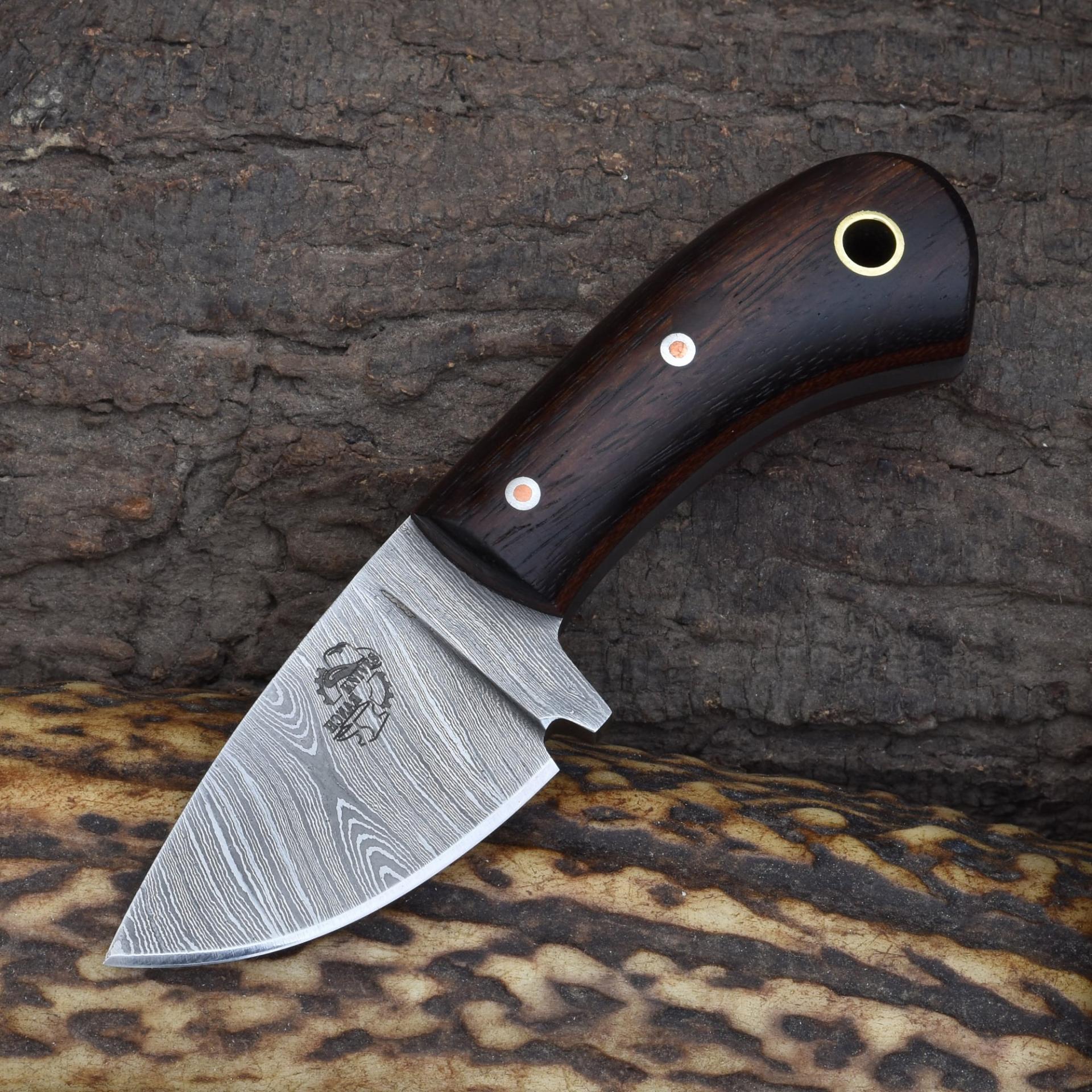
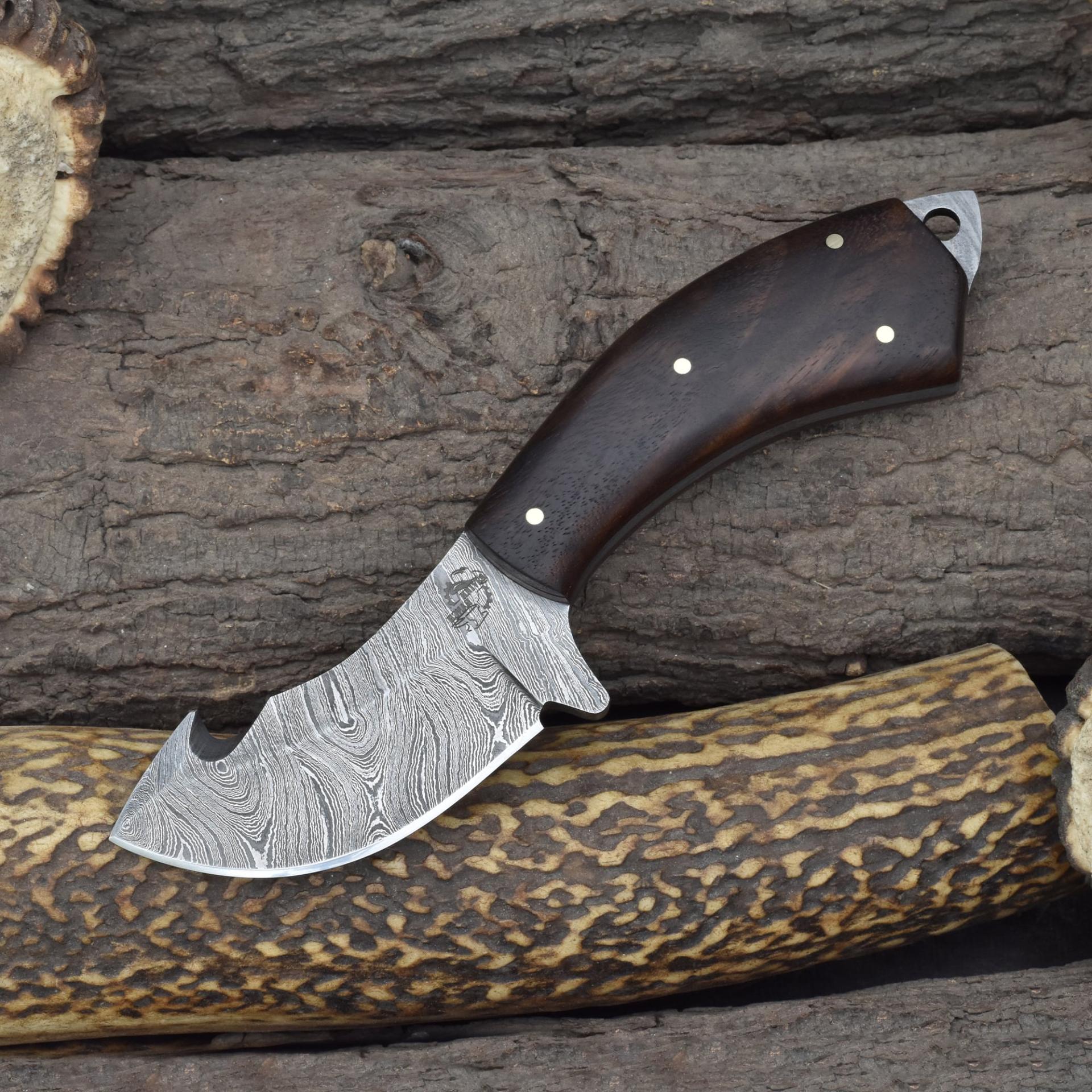
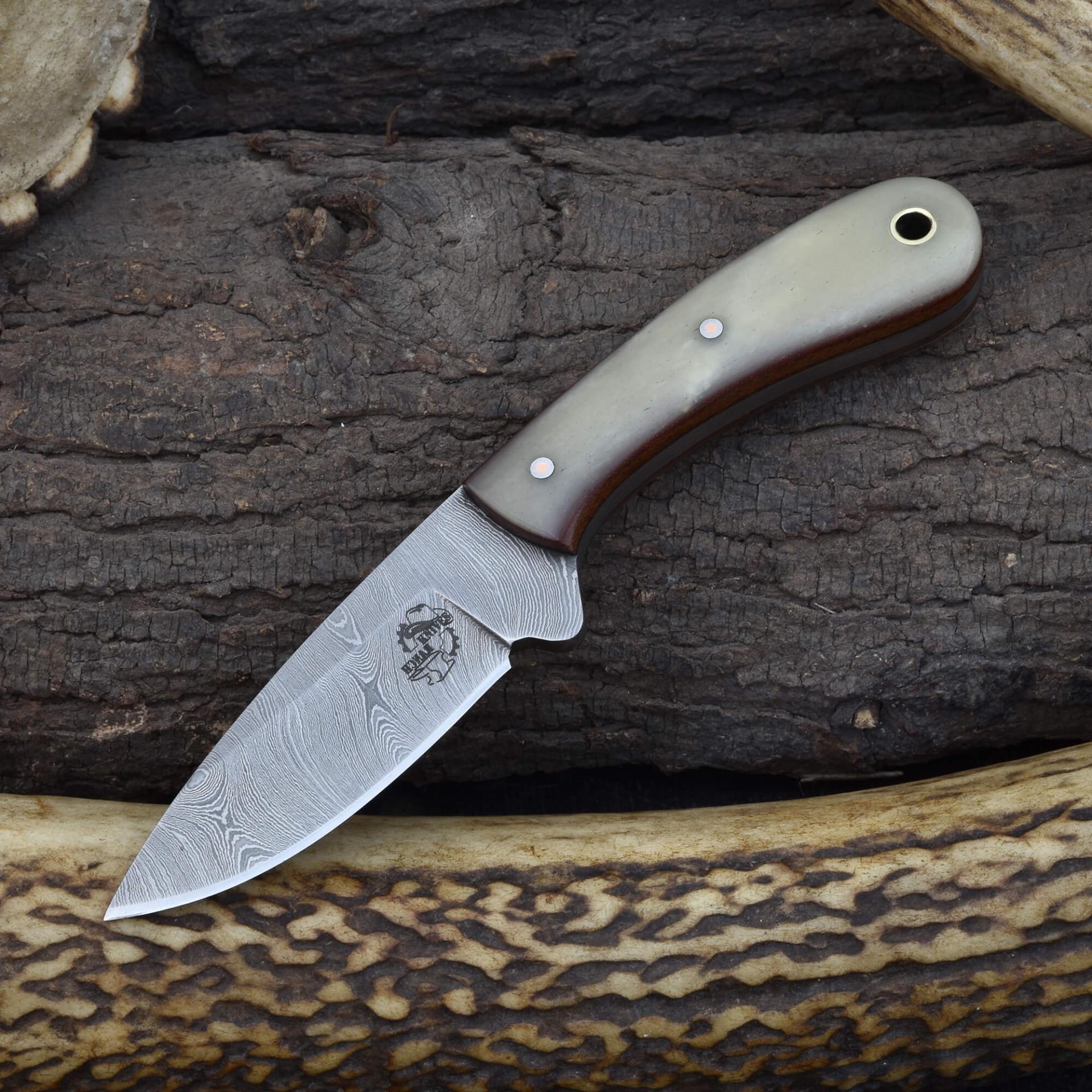
Interestingly, not all early Damascus knives displayed bold patterns. Some blades showed subtle markings that only became visible after polishing or light etching. Others appeared almost plain.
The patterns were not added for decoration. They emerged naturally from the steel’s internal structure, formed during slow cooling and careful forging. No two blades looked the same, which added to their mystique and value.
This natural variation is one of the reasons Damascus knives became so prized.
The Decline of Original Damascus Knife Making
By the 17th and 18th centuries, true Damascus knife production began to decline. The supply of Wootz steel decreased as trade routes shifted and traditional industries collapsed. Colonial influence disrupted Indian steelmaking, and industrial steel slowly replaced handcrafted processes.
Most critically, the knowledge was never documented. It existed only in the hands and minds of master craftsmen. When they died, their techniques vanished with them.
By the time the modern world began to study metallurgy scientifically, the original method of making Damascus knives was already lost.
Where Damascus Knives Originate Today
Modern Damascus knives do not originate from one single place. Today, Damascus-style knives are made all over the world using pattern-welded steel, a technique inspired by the look and spirit of ancient Damascus but produced using modern methods.
Skilled knife makers now combine different steel alloys, forge-weld them together, and manipulate the layers to create distinctive patterns. When done correctly, modern Damascus knives are not only beautiful but highly functional.
This is where modern brands such as Knives Ranch play an important role. By focusing on steel quality, heat treatment, and real-world performance, Knives Ranch Damascus knives continue the tradition of functional craftsmanship rather than treating Damascus as mere decoration.
What the Origin Story Means for Today’s Damascus Knife Users
Understanding the origins of Damascus knives helps users make more informed decisions. It reminds us that Damascus was never about patterns alone. It was about material knowledge, controlled forging, and performance under pressure.
Ancient Damascus knives earned their reputation because they worked when other blades failed. Modern Damascus knives must meet the same standard if they are to honor that legacy.
Final Thoughts: The True Origin of Damascus Knives
Damascus knives originated from a journey, not a single place. They began with Indian Wootz steel, were perfected by Middle Eastern craftsmen, named by Europeans, and are now carried forward by modern makers worldwide.
When you hold a Damascus knife today, especially one crafted with care and purpose, you are holding the result of centuries of experimentation, trade, and human skill.
That is the true origin of Damascus knives.
Not a city.
Not a myth.
But a legacy.
The Craft Behind Handmade Knives
Handmade knives combine tradition, skill, and performance, delivering tools that are built to last.

Knife industry professional with 20+ years of experience in manufacturing, global markets, and brand development. Founder of Knives Ranch Inc., focused on handcrafted, workhorse knives built to international standards.
Visit Personal Website

