






Common Damascus Knife Scams Explained (Complete 2026 Buyer Awareness Guide)
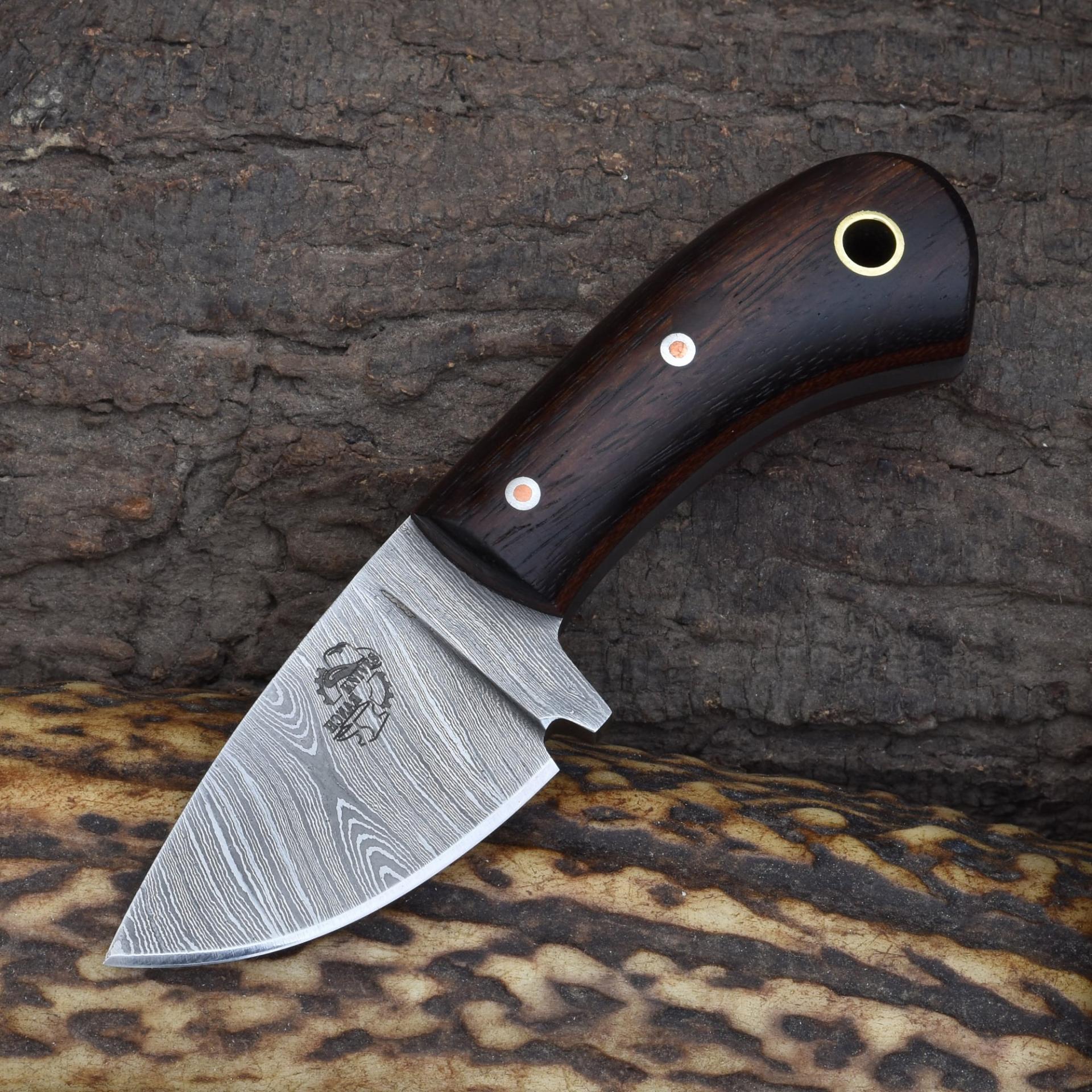
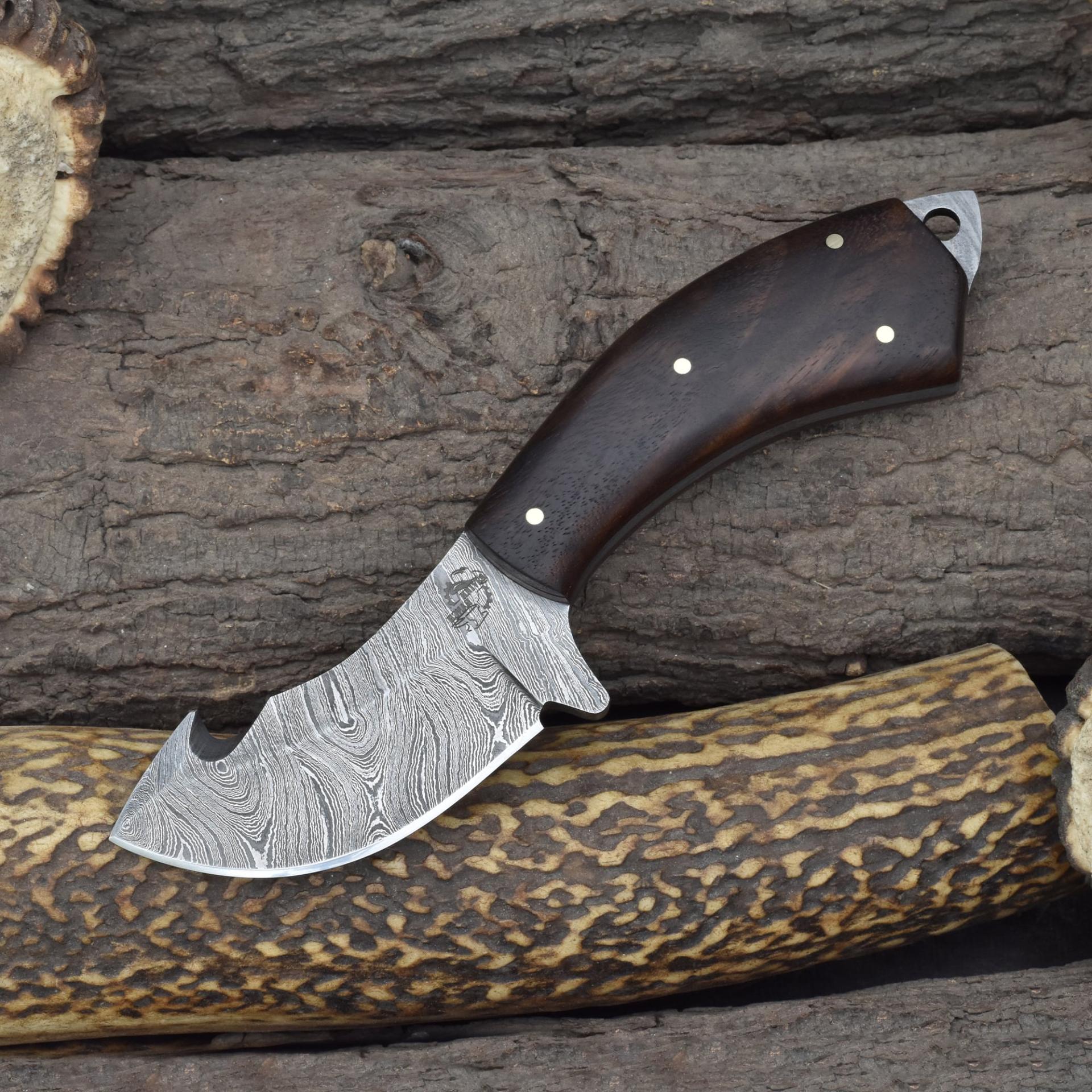
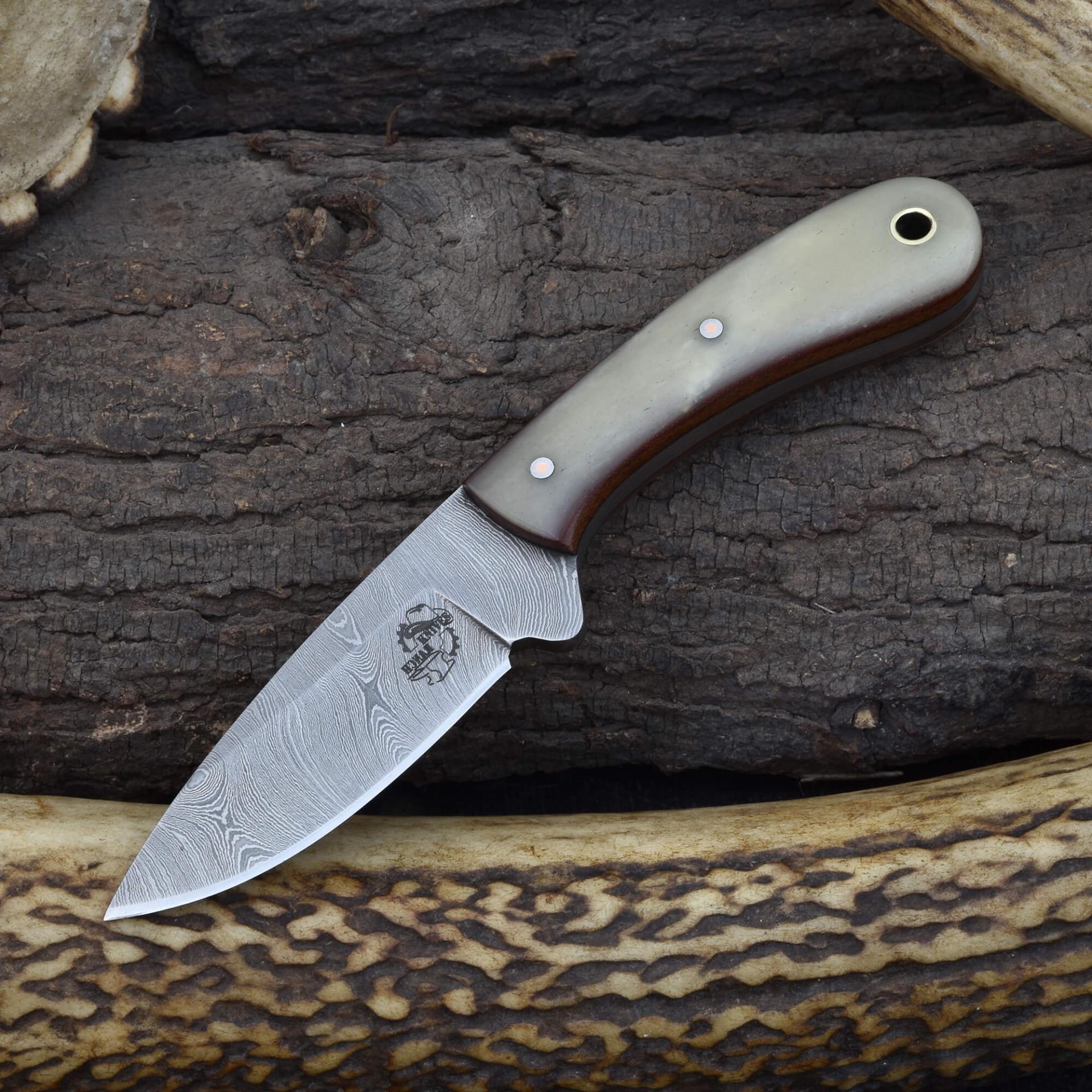
The popularity of Damascus knives has grown rapidly in recent years, and with that growth, scams and misleading products have also increased. Many buyers are attracted by the unique patterns and premium look, but without proper knowledge, it becomes very easy to fall into traps that are designed to sell appearance instead of real quality.
Understanding these scams in a clear and detailed way is essential if you want to avoid wasting money and invest in a knife that actually performs.
The “Fake Pattern” Scam
One of the most common scams in the market is selling knives with printed or laser-etched patterns and calling them real Damascus. These knives are usually made from a single piece of steel, and the pattern is added later using machines.
At first glance, the blade looks impressive, but the pattern has no connection to the internal structure of the knife. Over time, this design may fade or lose its depth, revealing the plain steel underneath.
Real Damascus knives have patterns that come from layered steel, not from surface decoration. This is one of the biggest differences between a genuine product and a fake one.
The “Low-Quality Steel Hidden as Damascus” Scam
Another common issue is the use of poor-quality steel combinations. Some manufacturers do create layered blades, but they use low-grade materials that cannot hold a sharp edge or handle stress properly.
These knives are technically layered, but they do not deliver the performance expected from Damascus steel. Buyers often assume that layering alone guarantees quality, which is not true.
The result is a knife that looks authentic but performs poorly in real use.
The “Handmade” Misleading Claim
The word “handmade” is heavily used in the knife market, but it is not always accurate. Many knives are mass-produced in bulk and only lightly finished by hand before being labeled as handmade.
This creates a false impression of craftsmanship and uniqueness. In reality, true handmade Damascus knives require time, skill, and detailed attention during forging and finishing.
Buyers should understand that not every knife labeled handmade reflects real craftsmanship.
The “Too Cheap to Be True” Pricing Trap
Price is one of the strongest indicators of a potential scam when understood correctly. Damascus knives require time, materials, and skill to produce, which naturally increases their cost.
When a knife is being sold at an extremely low price while claiming premium quality, it usually involves compromises in steel, heat treatment, or construction.
These products are often marketed aggressively to attract beginners who are not familiar with real pricing standards.
The “Stock Photo Deception”
Many sellers use high-quality or edited images that do not represent the actual product. The knife you see online may have a perfect pattern, clean finishing, and a premium look, but the delivered product can be completely different.
This scam works because buyers rely heavily on visuals without verifying authenticity or brand credibility.
Real brands use original product images and maintain consistency between what is shown and what is delivered.
The “Damascus Name Only” Trick
Some knives are marketed using the word “Damascus” simply for branding, even when they do not meet the actual standards of Damascus steel.
These products take advantage of the popularity of the term and use it as a marketing tool rather than a technical description.
This is why it is important to understand that the name alone does not guarantee authenticity.
The “No Heat Treatment Transparency” Issue
Heat treatment is one of the most critical steps in making a functional knife, but many sellers do not mention it at all.
Without proper heat treatment, a blade cannot achieve the balance between hardness and toughness. It may look sharp initially, but it will lose its edge quickly or become brittle over time.
Lack of information about this process is often a sign that the product may not meet quality standards.
How to Avoid These Scams
Avoiding these scams requires a shift in how you evaluate a knife. Instead of focusing only on appearance, you should consider the construction, materials, and overall credibility of the product.
Look for natural pattern flow rather than perfect designs, pay attention to how the knife is described, and consider whether the price aligns with the expected quality.
Most importantly, choose a brand that is consistent and transparent in its approach to manufacturing.
Knives Ranch Approach to Authenticity
Knives Ranch focuses on eliminating these common issues by maintaining clear standards in production and quality control. The knives are made using real layered Damascus steel, proper forging techniques, and controlled heat treatment to ensure performance and durability.
The goal is not just to create visually appealing knives but to deliver products that perform reliably in real-world use. This approach helps buyers avoid the common scams that exist in the market.
Final Verdict
The Damascus knife market includes both genuine craftsmanship and misleading products, and the difference between them is not always obvious at first glance.
Common scams often rely on visual appeal, low pricing, and marketing terms to attract buyers, but they fail to deliver real performance and durability.
By understanding how these scams work and focusing on construction, materials, and brand reliability, you can make a much smarter buying decision.
Knives Ranch offers authentic Damascus knives built with proper techniques and real materials, ensuring that you invest in a product that delivers true value rather than just appearance.
The Craft Behind Handmade Knives
Handmade knives combine tradition, skill, and performance, delivering tools that are built to last.

Knife industry professional with 20+ years of experience in manufacturing, global markets, and brand development. Founder of Knives Ranch Inc., focused on handcrafted, workhorse knives built to international standards.
Visit Personal Website

