






Damascus Hunting Knife: Is It Worth It?
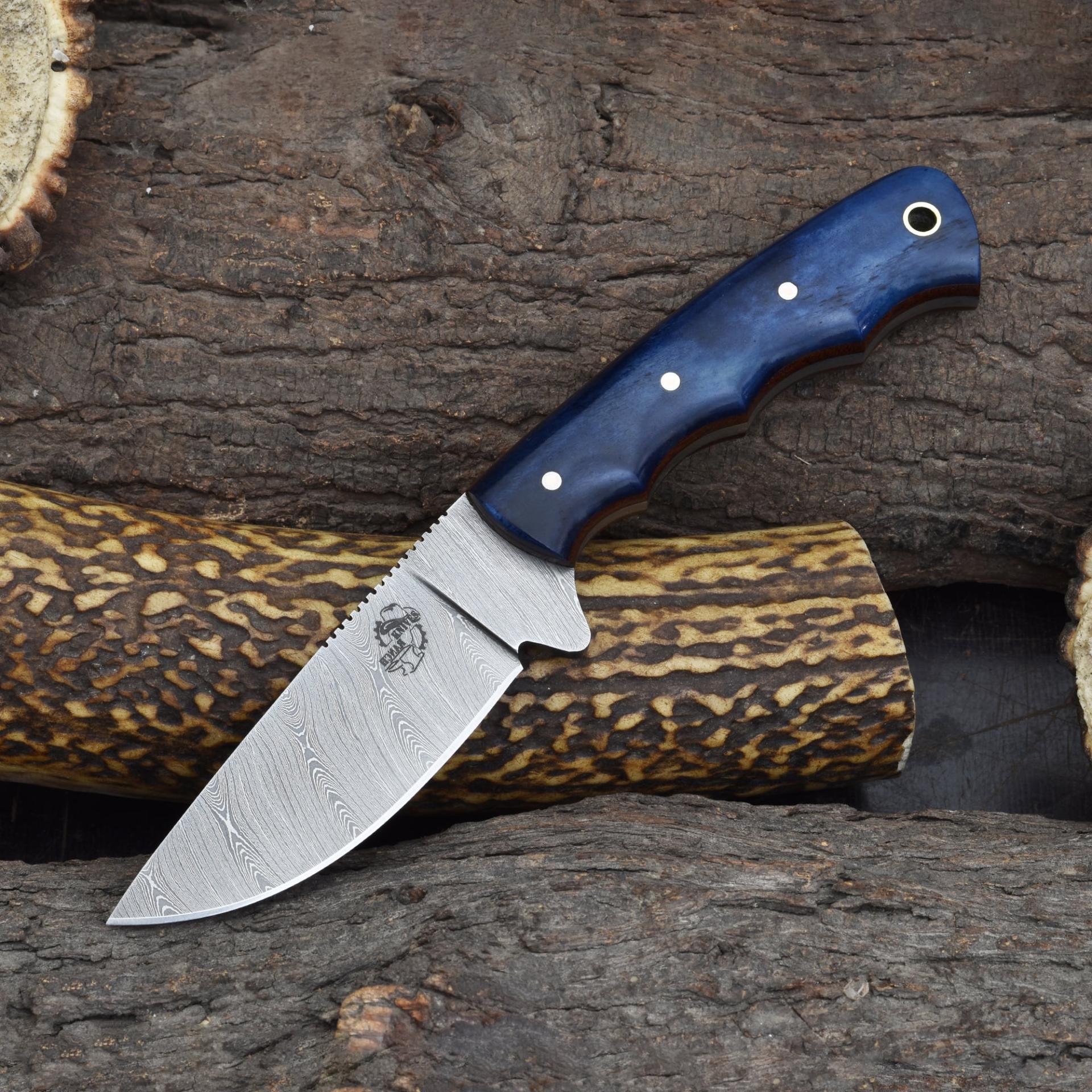
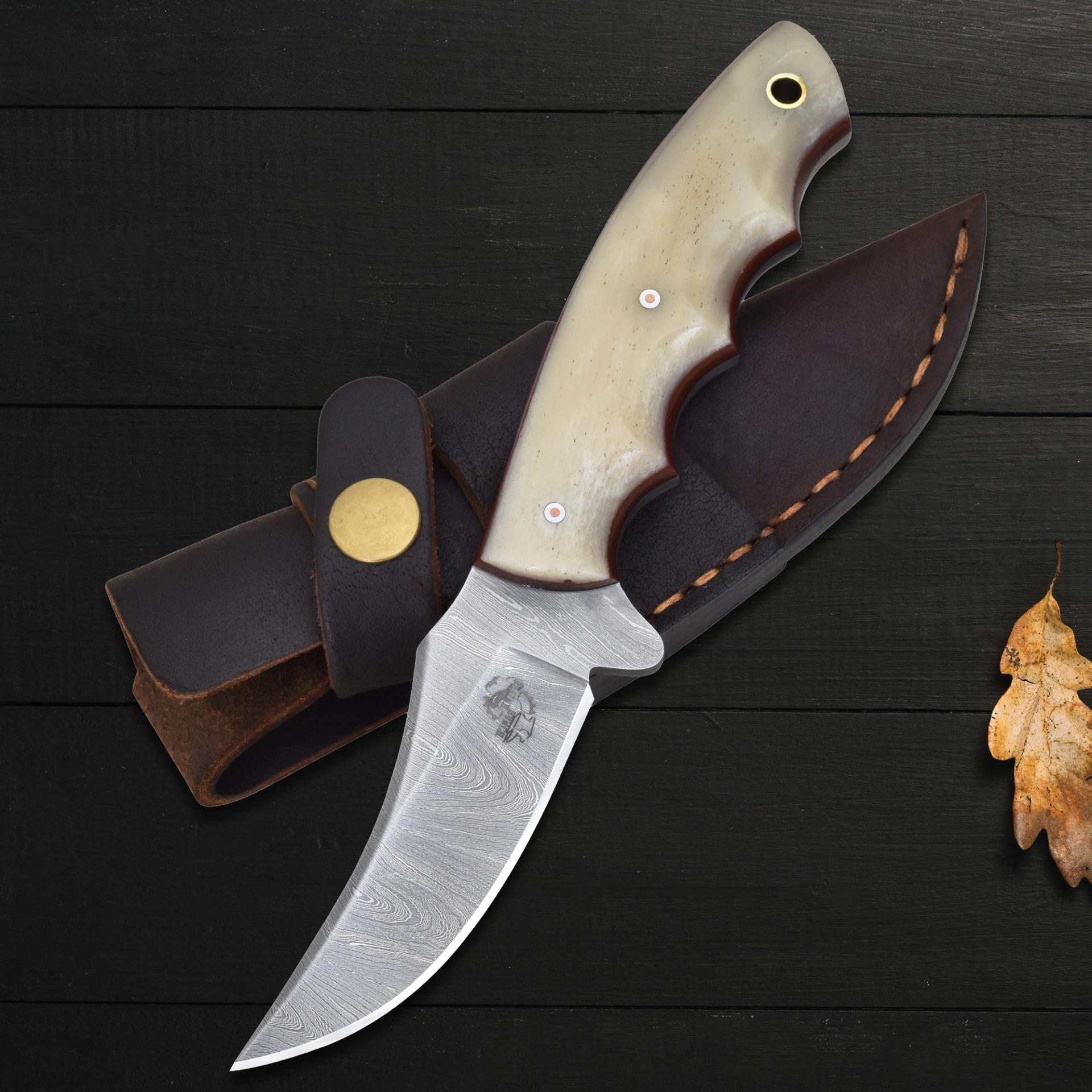
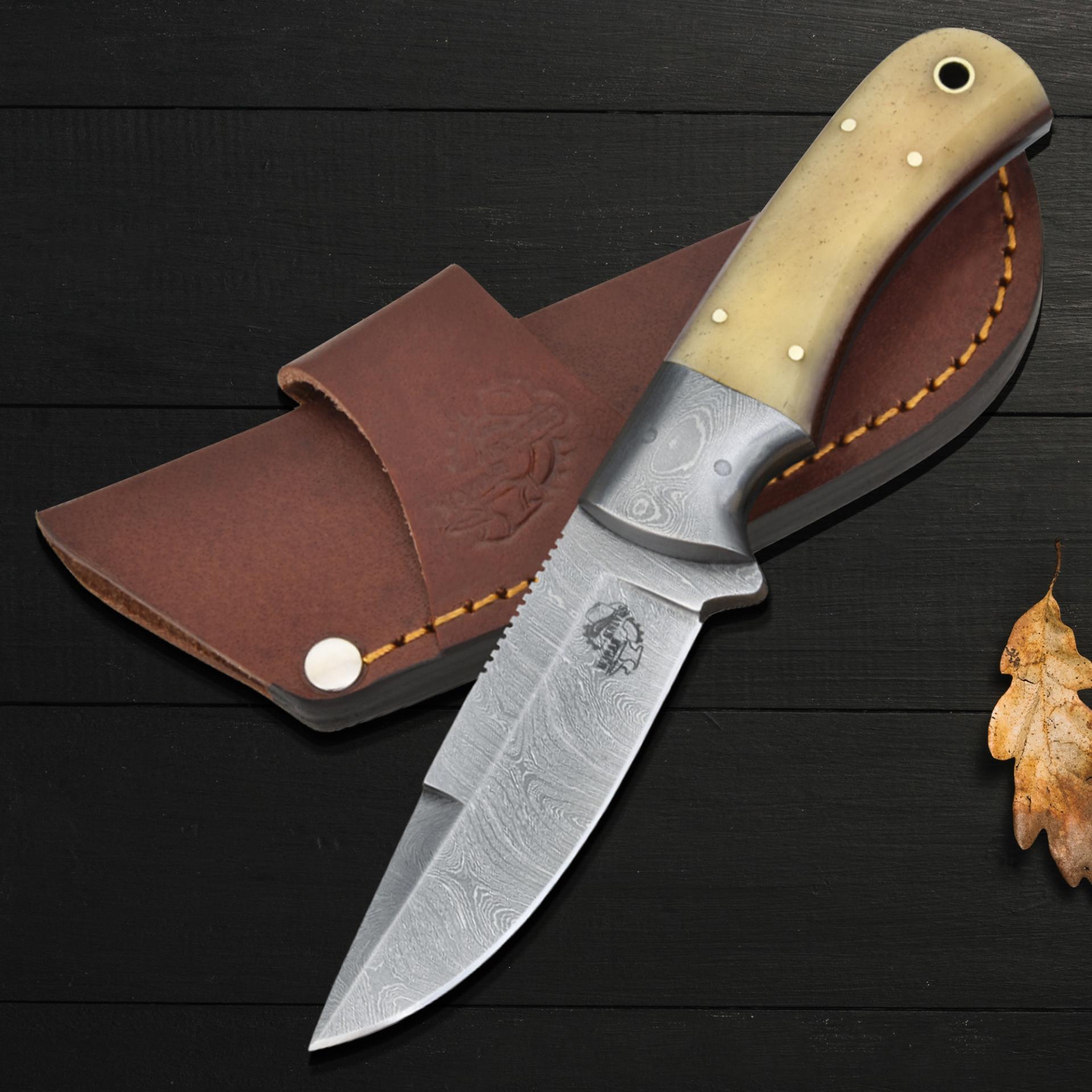
Knives Ranch Classic Damascus Steel Knife with Bone Handle and Side Mount Horizontal Sheath
$100.00
View DetailsHunting knives are tools of trust. When you step into the field, you need something reliable, not just something that looks beautiful. Among hunters and outdoor users, one question comes up again and again:
Is a Damascus hunting knife worth it?
This question is not about fashion or trend, and it is not answered with a simple yes or no. To understand the true value of Damascus steel in a hunting knife, we must consider performance, quality, durability, and real-world results.
This guide covers all of that, from what Damascus steel really offers to how it compares with other steels, and why some hunters swear by it while others choose simpler blades.
What Is Damascus Steel? A Quick Reminder
Before deciding whether Damascus is worth it in hunting, let us clarify what Damascus steel actually is.
Modern Damascus steel is pattern-welded steel, created by forge welding two or more different steel types together in layers. These layers are hammered, folded, and forged into a single solid blade with beautiful contrast patterns.
These patterns are not just decoration. They reflect the blade's internal structure, with layers of hard and soft steel working together.
This combination gives Damascus knives a balance of properties that single-steel blades sometimes struggle to achieve.
What Hunters Need from a Knife
To decide if a Damascus hunting knife is worth it, we first need to understand what makes a good hunting knife.
A hunting knife must be able to:
Take and hold a sharp edge
Provide reliable control during skinning
Resist chipping and breakage under stress
Be comfortable and secure in hand
Be dependable in all field conditions
It is easy to sharpen or maintain in camp
If a blade fails any of these tasks, hunters feel it quickly.
Now, let us see how Damascus knives measure up.
Edge Performance Cutting with Precision
One of the biggest advantages of Damascus hunting knives is edge sharpness and control.
When forged and properly heat-treated, a Damascus blade takes a very fine edge. That means cleaner initial cuts, less force required for slicing hide, and better performance around joints and connective tissues.
For hunting tasks such as field dressing or skinning, a sharp, smooth edge improves efficiency and reduces effort, which matters when processing game outdoors.
The pattern itself does not make it sharp. The steel selection and heat treatment behind that pattern determine sharpness.
Edge Retention: How Long Does It Hold Up
Edge retention is another major concern for hunters. If a blade dulls quickly, you end up spending more time sharpening than cutting.
High-quality Damascus hunting knives usually combine harder steels for edge retention and tougher steels for impact resistance.
This layered structure allows the knife to retain an edge longer than many basic carbon-steel or stainless-steel blades at the same price point.
That said, edge retention still varies by steel combination. Damascus steel with higher carbon content often holds an edge better, but it may require more maintenance.
Strength and Durability in the Field
A knife can be sharp, but if it breaks under pressure, it becomes useless in a hunting scenario.
Here, Damascus blades have a clear advantage. The layered metallurgy helps distribute stress across the blade. Rather than behaving like a single brittle material, Damascus blades can absorb sudden forces more gracefully.
This does not mean they are unbreakable, but a well-made Damascus hunting knife withstands heavy use better than many cheaper single-steel knives.
The key difference is the softer steel layers that provide shock resistance, and the harder layers that support edge performance.
Handling and Control
Hunters often report that Damascus knives feel smoother while cutting. That is not a trick or marketing line. It comes from good blade geometry combined with balanced steel properties.
A hunting knife should feel predictable in the hand. Rawhide, bone, or tight clothing should never slip the blade. Damascus blades that are well-balanced and properly finished provide confidence and control in every cut.
Because many Damascus hunting knives are handmade or hand-finished, their tolerances are often more precise than those of mass-produced alternatives.
Maintenance Rust Sharpening and Care
One concern beginners have is maintenance.
Many Damascus blades use a high-carbon core, which means they hold an excellent edge, sharpen easily, and can rust if neglected.
Yes, Damascus hunting knives can rust just like any carbon steel if left wet or unprotected. However, that does not make them impractical. With basic field care, wiping the blade clean, drying it after use, applying a light oil, a Damascus hunting knife stays strong and clean for years.
Stainless Damascus options are available, but they are more difficult to produce and typically cost more.
Damascus vs Carbon Steel Hunting Knives
Carbon steel hunting knives are simple, strong, and traditional. But they have limitations.
They are prone to rust, may chip if hardened too much, and exhibit a single steel property.
Damascus knives engineer a blend of properties, edge performance plus toughness, making them a versatile choice for hunters who want balance.
Carbon steel blades still excel at simplicity and ease of maintenance, but Damascus steel shines when you want both performance and structural resilience.
Is Damascus Worth the Price for Hunting
Now we come to the heart of the question.
Yes, if the Damascus hunting knife is well-made.
Price does not make it automatically better. But when a Damascus knife is crafted with quality steel, proper forging, and disciplined heat treatment, it can outperform many single steel hunting knives in its class.
Hunters who value sharper edges, balanced toughness, long-lasting performance, and reliable field behavior often find Damascus knives worth the investment.
It is not just pretty steel. It is engineered performance rooted in metallurgical balance.
When Damascus Might Not Be the Best Choice
There are situations where Damascus may not be ideal.
If you want a zero-maintenance blade, a full stainless might be better.
If you need extreme bone butting toughness.
If you are buying a decorative knife.
A Damascus hunting knife is not a gimmick, but it does require basic care and respect for its purpose.
Damascus Hunting Knives from Knives Ranch
At Knives Ranch, Damascus hunting knives are crafted for real hunters, not just collectors. Each knife starts with carefully selected steel combinations that are chosen for performance, not appearance alone. The forging and heat-treatment processes ensure balanced hardness and toughness, while handle materials such as Micarta, Indian Rosewood, or bone provide a secure grip and comfort.
Every Knives Ranch Damascus hunting knife is designed to handle skinning with precision, hold a reliable edge during multi-day use, feel strong without unnecessary weight, and perform consistently in rugged conditions.
If you are looking for a blade that performs in the field, looks great by the campfire, and earns your trust over time, a Knives Ranch Damascus hunting knife is a strong choice.
Final Verdict: Is It Worth It
A Damascus hunting knife is absolutely worth it when built with quality and purpose.
It combines the sharpness needed for skinning, the toughness needed for field tasks, and the balance that feels natural in the hand. It may require basic care, but the performance payoff outweighs the maintenance.
For serious hunters who want reliability, precision, and a blade that stands up to real challenges, a Damascus hunting knife is not just worth it. It becomes an asset you rely on season after season.
At Knives Ranch, we don’t just sell knives, we craft tools you can trust.
The Craft Behind Handmade Knives
Handmade knives combine tradition, skill, and performance, delivering tools that are built to last.

Knife industry professional with 20+ years of experience in manufacturing, global markets, and brand development. Founder of Knives Ranch Inc., focused on handcrafted, workhorse knives built to international standards.
Visit Personal Website

