







Damascus Pocket Knife Review

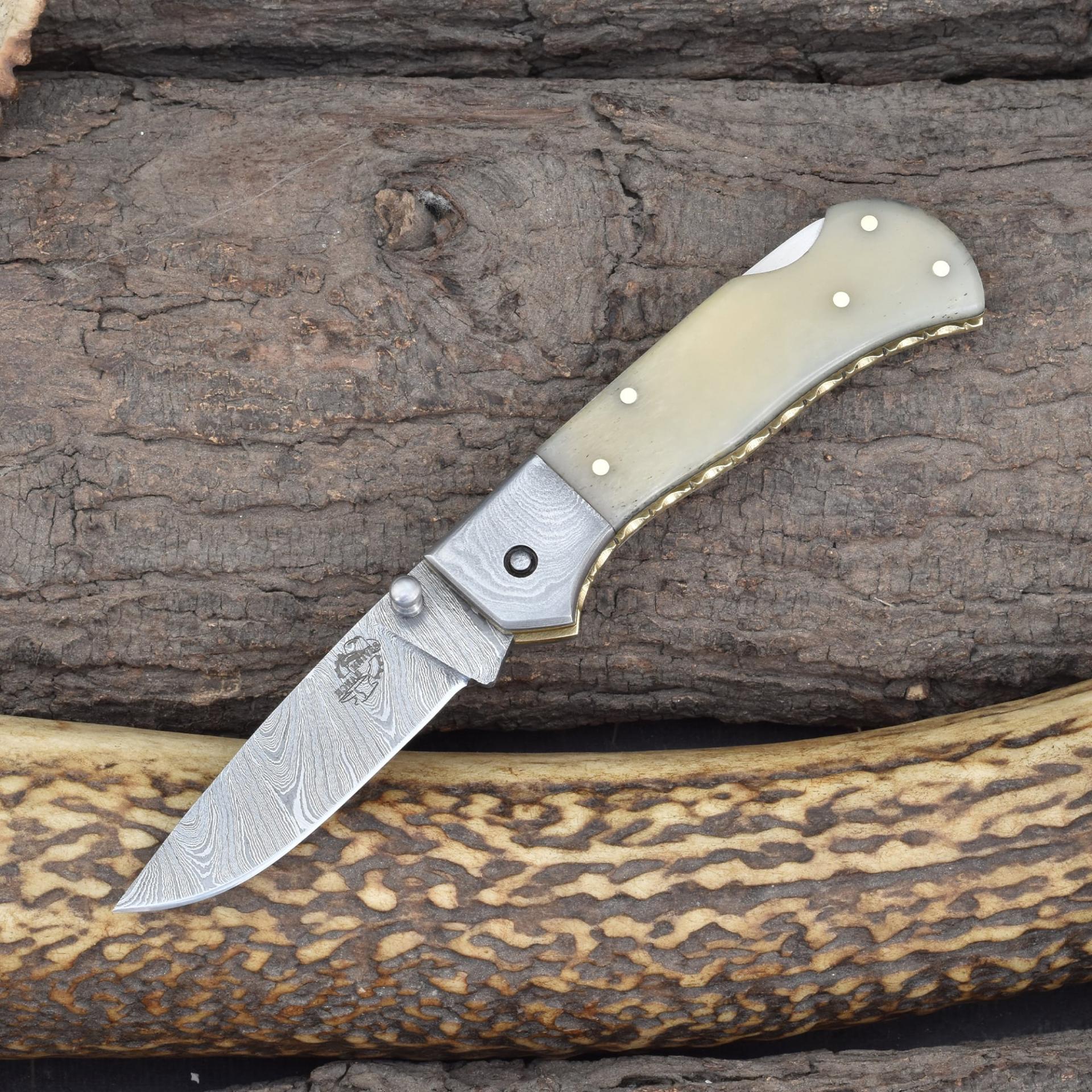
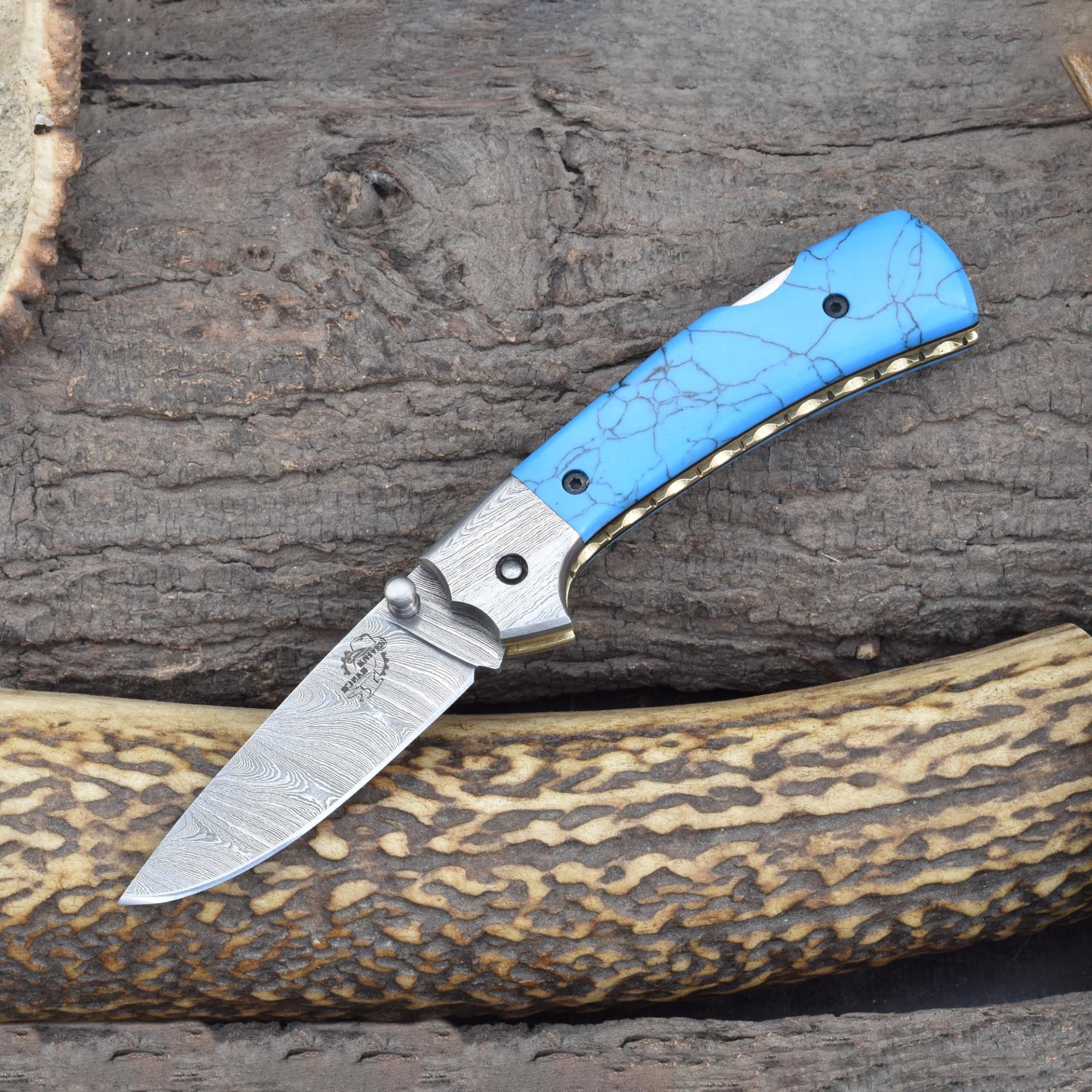
Knives Ranch Folding EDC Knife with Torquise Composite Handle and Damascus Steel Blade
$110.00
View Details
A pocket knife is one of the most personal tools a person can own. It lives with you daily, handles small tasks without complaint, and is often the first tool you reach for. When that pocket knife is made from Damascus steel, expectations naturally rise. People want to know whether a Damascus pocket knife is truly practical or if it is mainly about looks.
This review looks at Damascus pocket knives from a real user perspective. We will cover performance, strength, everyday usability, maintenance, and long-term value so you can clearly decide if a Damascus pocket knife is right for you.
What Makes a Damascus Pocket Knife Different
A Damascus pocket knife uses pattern-welded steel, made by forge welding multiple steels together into layers. These layers are folded and shaped until they form a single solid blade with visible flowing patterns.
What separates Damascus from standard pocket knives is not only appearance. The layered construction allows the blade to combine different steel properties. One steel contributes hardness and edge retention, while another adds toughness and flexibility. When done correctly, this creates a blade that cuts well and resists failure during everyday use.
In pocket knives, where blades are usually thinner and smaller than fixed blades, steel balance becomes even more important.
First Impressions and Build Quality
A good Damascus pocket knife immediately feels solid when opened. There should be no blade play, no rattling, and no loose hardware. The blade should lock confidently in place, whether it uses a liner lock, frame lock, or back lock system.
The Damascus pattern should look organic and consistent, not overly dark or artificially etched. Poor quality Damascus often relies on heavy surface etching to hide weak steel. A quality blade shows natural contrast without sacrificing surface smoothness.
Handle materials also play a big role in overall quality. Premium Damascus pocket knives often use Micarta, stabilized wood, bone, G10, or Indian Rosewood. These materials improve grip and durability while maintaining a refined appearance.
Blade Performance in Daily Use
In everyday tasks like cutting cardboard, opening packages, slicing rope, trimming materials, or preparing light food, a Damascus pocket knife performs exceptionally well when properly heat-treated.
The edge usually feels smooth and controlled rather than aggressive or brittle. This allows clean cuts with less effort. Many users notice that Damascus pocket knives glide through materials more easily than lower-quality stainless blades.
Because pocket knives are often used repeatedly throughout the day, edge consistency matters more than raw cutting power. A well-forged Damascus blade holds its edge longer and feels predictable during use.
Edge Retention and Sharpening
Edge retention in Damascus pocket knives depends heavily on steel choice and heat treatment. High-carbon Damascus blades tend to hold an edge longer than basic stainless steel knives. They also respond very well to sharpening.
Sharpening a Damascus pocket knife is usually easier than sharpening hard stainless steel. The blade takes a keen edge without excessive effort, which is ideal for users who prefer maintaining their knives themselves.
However, because many Damascus blades contain carbon-rich steel, they may require occasional touch-ups to stay at peak performance. This tradeoff is often worth it for users who value sharpness and control.
Strength and Reliability
A pocket knife must be reliable. Even though it is not designed for heavy prying or batoning, it still experiences twisting forces and pressure during use.
Damascus pocket knives benefit from layered steel construction, which helps distribute stress across the blade. This reduces the risk of sudden chipping or cracking when cutting tougher materials.
That said, pocket knives are still precision tools. A Damascus pocket knife should be used for cutting tasks, not abuse. Within its intended role, a quality Damascus pocket knife is strong, dependable, and confidence-inspiring.
Weight, Balance, and Carry Comfort
One advantage of Damascus pocket knives is balance. The steel layering allows manufacturers to tune blade thickness and weight more precisely.
A good Damascus pocket knife feels neutral in the hand. It should not feel blade-heavy or handle-heavy. This balance reduces hand fatigue during repeated use.
Pocket clip design also matters. A well-placed clip allows comfortable carry without creating pressure points in the pocket. Whether tip up or tip down, the knife should sit securely and deploy smoothly.
Maintenance and Care
Maintenance is an important consideration when reviewing Damascus pocket knives.
If the blade contains high-carbon steel, it can develop surface oxidation if neglected. This does not mean the knife is fragile. It simply means basic care is required.
After use, wipe the blade clean and dry it. Occasionally, applying a light oil helps protect the steel. With this simple routine, a Damascus pocket knife remains in excellent condition for years.
Stainless Damascus options exist and require less care, but they are usually more expensive and harder to manufacture.
Damascus Pocket Knife vs Standard Stainless Pocket Knife
Standard stainless pocket knives are easy to maintain and widely available. However, they often prioritize corrosion resistance over edge quality.
Damascus pocket knives focus on performance balance. They usually offer better cutting feel, easier sharpening, and stronger edge behavior.
If you want a low-effort, no-maintenance tool, basic stainless might suit you better. If you want a knife that feels refined, cuts exceptionally well, and rewards proper care, Damascus stands out.
Is a Damascus Pocket Knife Worth the Price
Damascus pocket knives are usually more expensive than mass-produced stainless models. The higher cost comes from skilled forging, steel layering, heat treatment, and finishing.
A Damascus pocket knife is worth it if you value craftsmanship, cutting performance, and long-term satisfaction. It is not meant to be disposable or purely decorative.
For users who carry a knife daily and appreciate quality tools, the value becomes clear over time.
Damascus Pocket Knives from Knives Ranch
At Knives Ranch, Damascus pocket knives are designed with real everyday use in mind. Steel combinations are selected for balanced hardness and toughness, ensuring reliable cutting performance without brittleness.
Each blade is forged and heat-treated carefully so the layers function as one solid structure. Handle materials like Micarta, Indian Rosewood, bone, and stabilized wood are chosen for comfort, grip security, and durability.
Knives Ranch pocket knives are not built just to look impressive. They are built to perform consistently in daily tasks while offering the craftsmanship and character that Damascus steel is known for.
Final Thoughts
A Damascus pocket knife is more than a stylish accessory. When made correctly, it is a highly capable everyday tool that combines sharpness, control, and durability in a compact form.
It does require basic care, and it may cost more than standard pocket knives, but the performance and satisfaction it delivers often justify the investment.
For anyone who carries a knife daily and appreciates quality craftsmanship, a Damascus pocket knife is not just worth considering. It is a tool that quickly earns its place in your pocket and in your routine.
At Knives Ranch, we don’t just sell knives, we craft tools you can trust.
The Craft Behind Handmade Knives
Handmade knives combine tradition, skill, and performance, delivering tools that are built to last.

Knife industry professional with 20+ years of experience in manufacturing, global markets, and brand development. Founder of Knives Ranch Inc., focused on handcrafted, workhorse knives built to international standards.
Visit Personal Website

