







Is Damascus Better Than Stainless Steel?
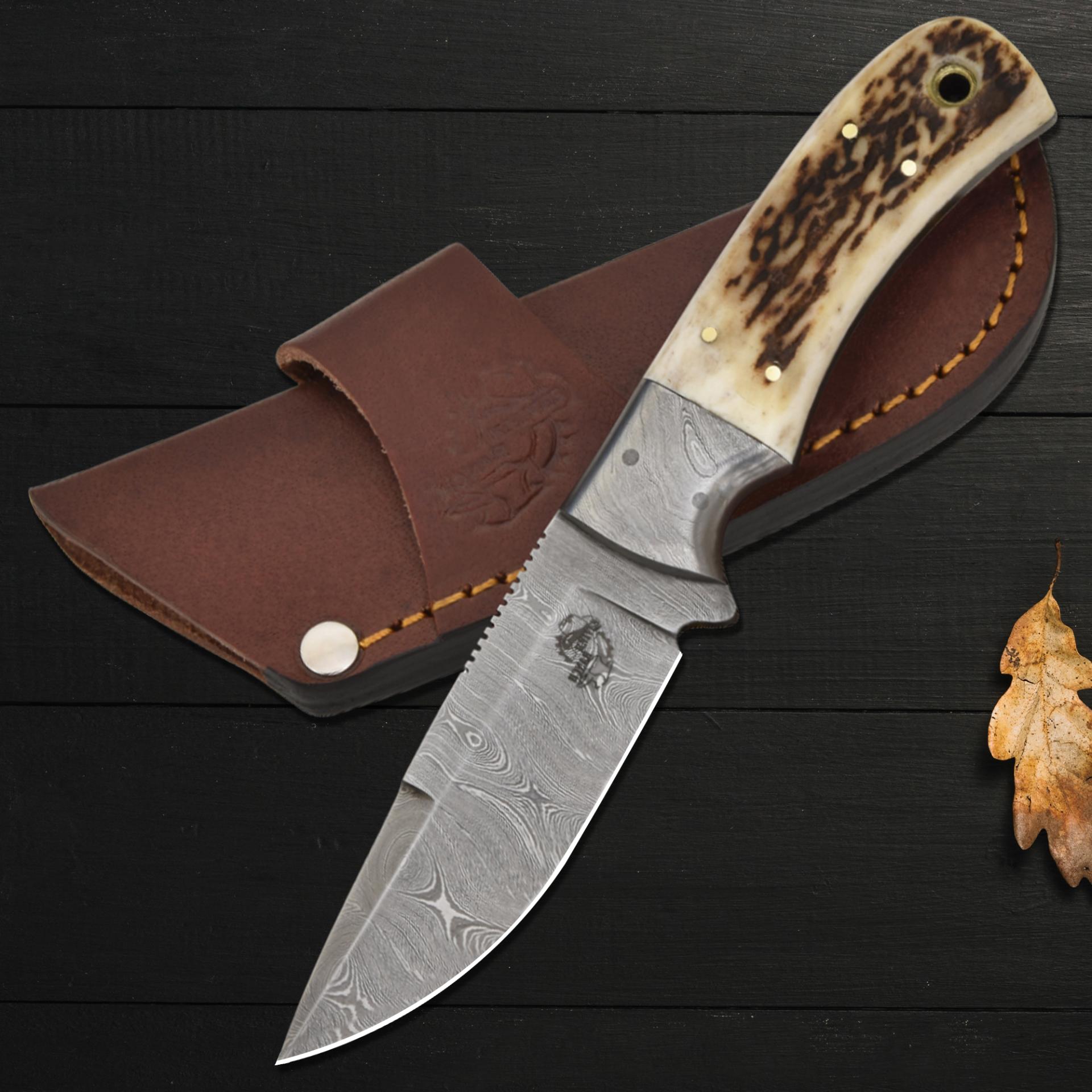
Knives Ranch Premium Damascus Steel Knife with Stag Handle Side Mount horizontal Sheath
$130.00
View Details
An Honest, Deep Comparison for Real Knife Users
The question “Is Damascus better than stainless steel?” is one of the most common and most misunderstood topics in the knife world. The confusion exists because people often compare the look of Damascus with the practicality of stainless steel instead of understanding how each one actually performs in real use.
The truth is not black and white. Damascus is not automatically better, and stainless steel is not automatically inferior. The real answer depends on how the knife is made, how it is used, and what kind of performance you expect from your blade.
This guide breaks the comparison down clearly, without hype, so you can decide what truly suits your needs.
Understanding What Damascus Really Is
Damascus steel is not a single type of steel. It is a construction method. A Damascus blade is made by forge welding two or more different steels together into layers. Each steel is chosen for a purpose. One usually provides hardness and edge retention, while the other adds toughness and flexibility.
This layered structure creates a blade that balances sharpness with durability. The famous flowing pattern is simply the visible result of those layered steels reacting differently during etching. It is not paint, not laser work, and not just decoration when done correctly.
A well-made Damascus knife behaves as a single solid piece of steel, but with the internal advantages of multiple steels working together.
Understanding Stainless Steel Knives
Stainless steel knives are made from a single alloy designed to resist corrosion. Chromium is the key element that makes steel stainless. When chromium content is high enough, it forms a protective layer that prevents rust.
Modern stainless steels can be very sharp and very durable. They are easier to maintain, require less care, and are forgiving in wet or acidic environments like kitchens. However, stainless steel is always a compromise between corrosion resistance, hardness, and toughness.
Some stainless steels prioritize rust resistance so heavily that edge retention suffers. Others push hardness higher but lose some toughness.
Sharpness and Edge Retention Comparison
Damascus knives often feel sharper for longer periods, especially when high-carbon steel is used in the core or layers. Carbon-rich steels take extremely fine edges and respond beautifully to sharpening. Because of the layered construction, stress on the edge is distributed more evenly.
Stainless steel knives can also be very sharp, especially high-end stainless alloys. However, many mass-market stainless knives sacrifice edge retention for ease of maintenance. They dull faster but are easier for casual users to live with.
In practice, Damascus knives usually win in edge feel and sharpening experience, while stainless knives win in convenience.
Durability and Toughness in Real Use
Durability is where Damascus shines when forged correctly. The combination of hard steels allows the blade to absorb impact and resist chipping. This is especially noticeable in hunting knives, outdoor knives, and general-purpose blades.
Stainless steel knives depend entirely on the alloy used. Some are tough, others are brittle. Lower-quality stainless knives can chip or roll at the edge when pushed hard.
A properly made Damascus blade feels confident during demanding tasks, while stainless steel knives feel safer in wet environments but less forgiving under stress.
Corrosion Resistance and Maintenance
This is where stainless steel has a clear advantage. Stainless knives resist rust naturally. They tolerate moisture, acidic foods, and neglect far better than carbon-based Damascus blades.
Traditional Damascus, especially carbon Damascus, requires care. The blade must be cleaned and dried after use. Occasional oiling helps preserve the surface. For many knife users, this maintenance is part of the charm. For others, it is an inconvenience.
Modern stainless Damascus exists, but it is more difficult and expensive to produce correctly.
Performance Over Time
Over long-term use, Damascus knives tend to age with character. They develop patina, retain cutting performance, and sharpen cleanly even after years of use. The blade feels alive, responsive, and consistent.
Stainless steel knives remain visually clean but may lose their cutting personality over time, especially if the steel is softer. Frequent sharpening removes material faster, shortening the knife’s lifespan.
This difference becomes noticeable after years, not weeks.
Kitchen Use vs Outdoor Use
In the kitchen, stainless steel knives are often preferred by casual cooks because they are worry-free. Professional chefs and serious cooks, however, often appreciate Damascus for its cutting feel and balance.
For hunting, camping, and outdoor tasks, Damascus knives are generally superior due to their strength, toughness, and edge reliability. Stainless steel can work, but many outdoor users find it lacks the confidence of a layered blade.
The Role of Craftsmanship
This comparison only matters when knives are well-made. Poor Damascus is worse than good stainless steel. Fake Damascus that relies on surface etching offers no performance benefit at all.
Likewise, premium stainless-steel knives can outperform low-quality Damascus blades easily.
The maker matters more than the material.
Where Knives Ranch Stands
At Knives Ranch, Damascus knives are built with performance as the priority, not just appearance. Steel combinations are selected for a real balance between hardness and toughness. Heat treatment is controlled to ensure reliability. Handles are designed for comfort and grip in demanding conditions.
The goal is to deliver Damascus knives that outperform average stainless-steel knives while remaining practical for everyday use.
Final Verdict
Is Damascus better than stainless steel?
The honest answer is this:
Damascus is better for performance, edge feel, durability, and long-term satisfaction when made correctly. Stainless steel is better for low maintenance, corrosion resistance, and convenience.
If you want a knife that feels alive, sharpens beautifully, and grows better with use, Damascus is the better choice. If you want a knife, you never have to think about, stainless steel will serve you well.
The best knife is not the one with the most marketing, but the one that matches how you actually use it.
The Craft Behind Handmade Knives
Handmade knives combine tradition, skill, and performance, delivering tools that are built to last.

Knife industry professional with 20+ years of experience in manufacturing, global markets, and brand development. Founder of Knives Ranch Inc., focused on handcrafted, workhorse knives built to international standards.
Visit Personal Website

