






Are Damascus Knives Worth Buying? Sharpness, Pros & What to Know Before You Buy
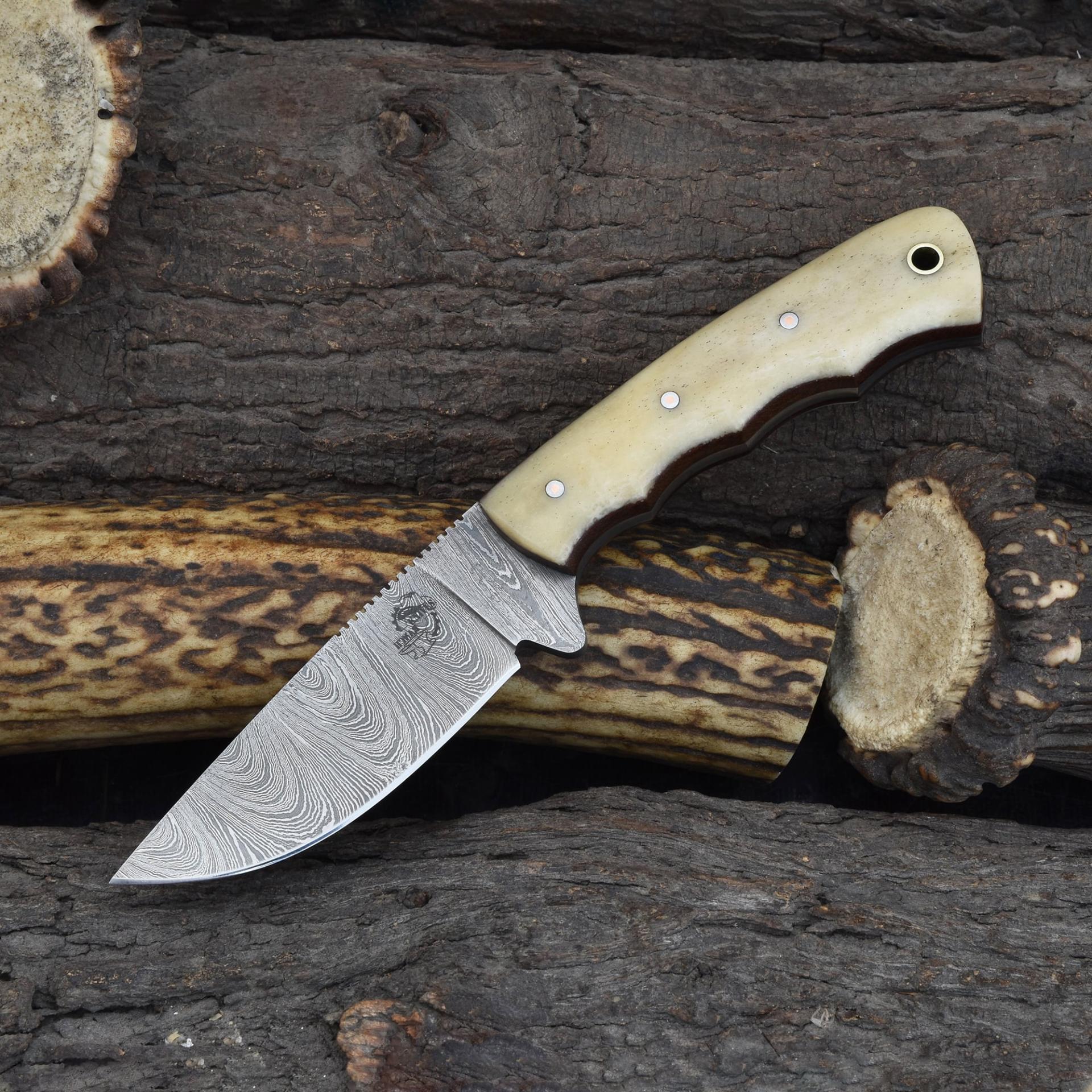
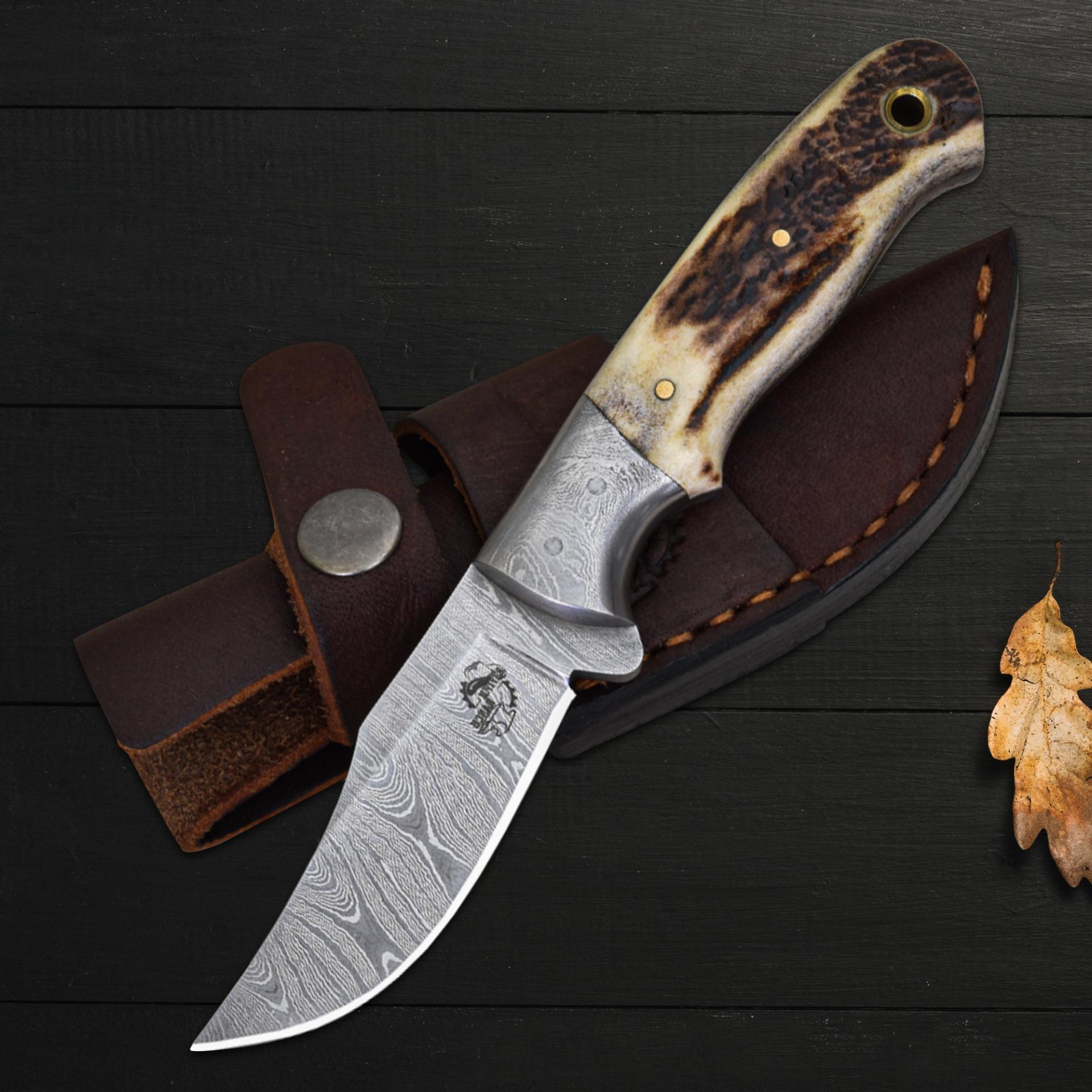
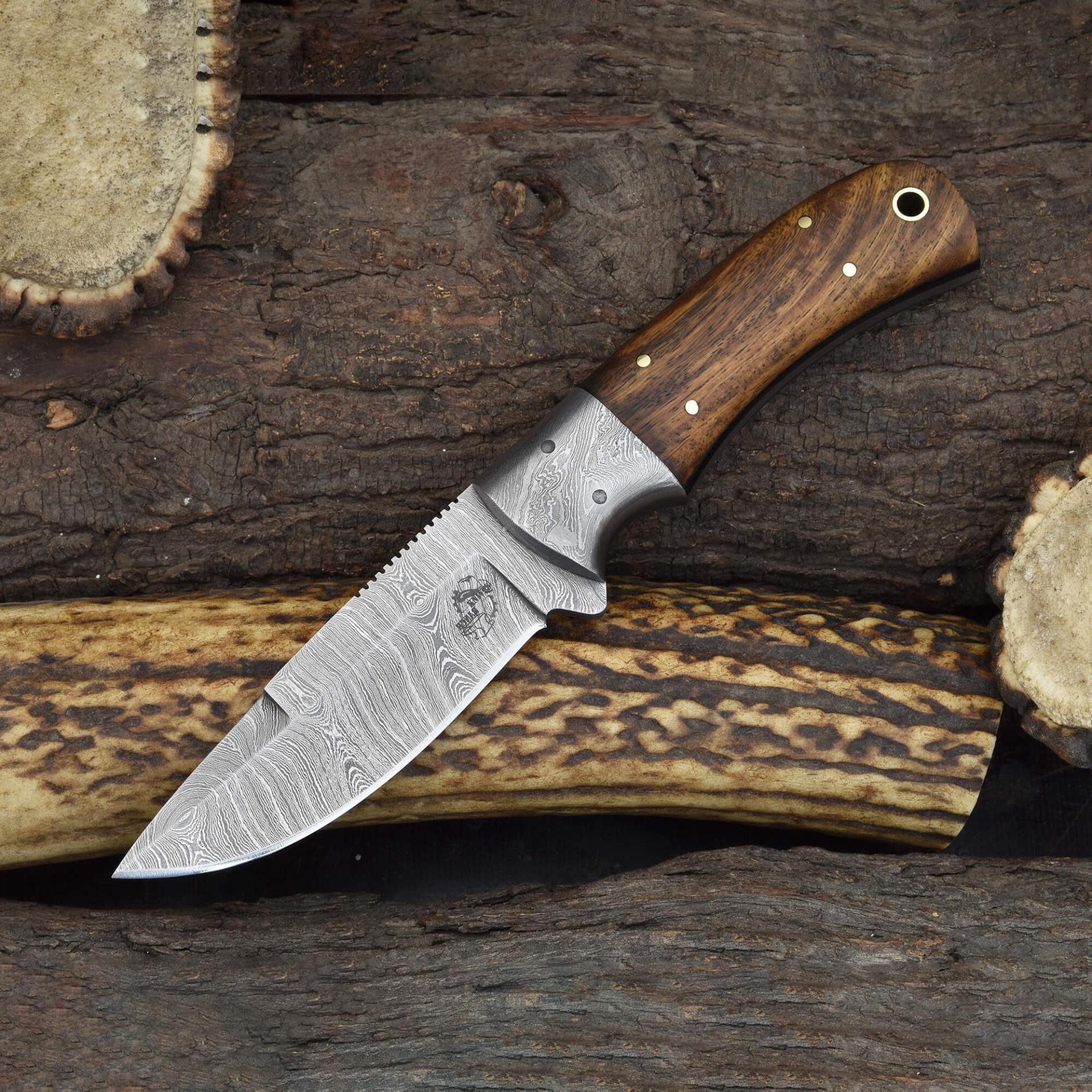
Knives Ranch Classic Damascus Steel Knife with Rosewood Handle and Side Mount Horizontal Sheath
$100.00
View DetailsA Practical, Performance-Based Answer for Home Cooks and Chefs
A Clear, Experience-Based Explanation
Yes, Damascus knives are extremely sharp when they are made correctly. In fact, sharpness is one of the main reasons people choose Damascus knives over many standard blades. However, the sharpness of a Damascus knife does not come from the pattern you see on the blade. It comes from the steel choice, the layered construction, the heat treatment, and the way the edge is ground.
To really understand how sharp Damascus knives are, you need to look deeper than appearances and focus on how these knives are built and how they perform during real use.
Why Damascus Knives Can Get So Sharp
Damascus knives are typically made by forge welding two or more different steels together. One of these steels usually has a higher carbon content. Carbon is the key element that allows steel to become hard and hold a fine edge.
Because Damascus combines hard steel with tougher supporting steel, the blade can be hardened enough to achieve razor sharpness without becoming brittle. This balance allows the edge to be ground thinner and sharper than many mass-produced knives.
When sharpened properly, a Damascus knife can easily shave hair, slice paper cleanly, and glide through food or material with very little resistance.
Sharpness vs Edge Retention
Sharpness is how keen the edge is right after sharpening. Edge retention is how long that sharpness lasts. Damascus knives perform well in both areas when forged and heat-treated correctly.
The harder steel layers provide excellent edge retention, meaning the knife stays sharp longer during use. The tougher layers help absorb stress, preventing microchipping at the edge. This combination is why Damascus knives feel sharp not just at first use, but even after extended cutting.
Many users notice that Damascus knives require less frequent sharpening compared to softer stainless-steel knives.
What a Sharp Do Damascus Knives Come Out of the Box
High-quality Damascus knives are usually delivered very sharp. A properly finished blade should be ready for use immediately, whether in the kitchen, outdoors, or for daily carry.
If a Damascus knife arrives dull, it is usually a sign of poor heat treatment, poor edge geometry, or low-quality manufacturing. True Damascus knives are meant to perform, not just look attractive.
A good Damascus knife should feel sharp the moment it touches material, without forcing or tearing.
How Damascus Knives Feel During Cutting
Sharpness is not just about numbers or tests. It is also about feeling. Damascus knives are known for their smooth cutting sensation. Instead of biting aggressively or slipping unpredictably, the edge moves steadily through material.
This controlled sharpness improves safety and precision. Whether slicing vegetables, skinning game, or doing fine detail work, a Damascus knife gives clear feedback to the hand.
This is why many experienced knife users say Damascus blades feel alive during use.
Carbon Damascus vs Stainless Damascus Sharpness
Carbon-based Damascus knives generally achieve higher sharpness and take finer edges than stainless versions. Carbon steel responds better to sharpening stones and can be honed to extremely keen edges.
Stainless Damascus knives are still very sharp, but they often trade a small amount of ultimate sharpness for corrosion resistance. For kitchen users who want low maintenance, stainless Damascus is a good compromise.
Both types are sharp enough for serious use. The difference lies in maintenance preference and sharpening feel.
Sharpening Damascus Knives
Damascus knives sharpen very well. The steel responds smoothly to whetstones and stropping, making it easier to restore a razor edge. Unlike very hard mono steel blades that can feel stubborn on stones, Damascus offers predictable feedback during sharpening.
Regular light sharpening keeps the knife performing at its best. With proper care, a Damascus knife can maintain exceptional sharpness for many years.
The Role of Craftsmanship in Sharpness
Not all Damascus knives are sharp. Poorly made blades that rely on surface etching instead of true layered steel do not deliver real performance. Steel compatibility, forging technique, heat treatment, and final grinding all matter.
A beautiful pattern is meaningless if the blade cannot maintain a sharp edge.
Sharpness is earned through craftsmanship, not decoration.
Sharpness and Knives Ranch Standards
At Knives Ranch, sharpness is treated as a functional requirement, not a selling slogan. Each Damascus knife is built using carefully selected steel combinations that allow for fine edge geometry and reliable heat treatment.
Blades are finished with real cutting performance in mind, ensuring they arrive sharp and stay sharp through regular use. The focus is on balancing edge retention, durability, and ease of sharpening, ensuring the knife performs consistently in real-world conditions.
Final Thoughts
Damascus knives are sharp, not because of their patterns, but because of how they are made. When forged correctly, they take razor-sharp edges, hold that sharpness well, and provide smooth, controlled cutting.
For users who value performance, edge feel, and long-term reliability, a well-made Damascus knife delivers sharpness that goes beyond first impressions and lasts through real work.
At Knives Ranch, we don’t just sell knives, we craft tools you can trust.
The Craft Behind Handmade Knives
Handmade knives combine tradition, skill, and performance, delivering tools that are built to last.

Knife industry professional with 20+ years of experience in manufacturing, global markets, and brand development. Founder of Knives Ranch Inc., focused on handcrafted, workhorse knives built to international standards.
Visit Personal Website

