







Damascus Chef Knife: Is It Worth Buying for Home Cooks?
A Practical, Performance-Based Answer for Home Cooks and Chefs
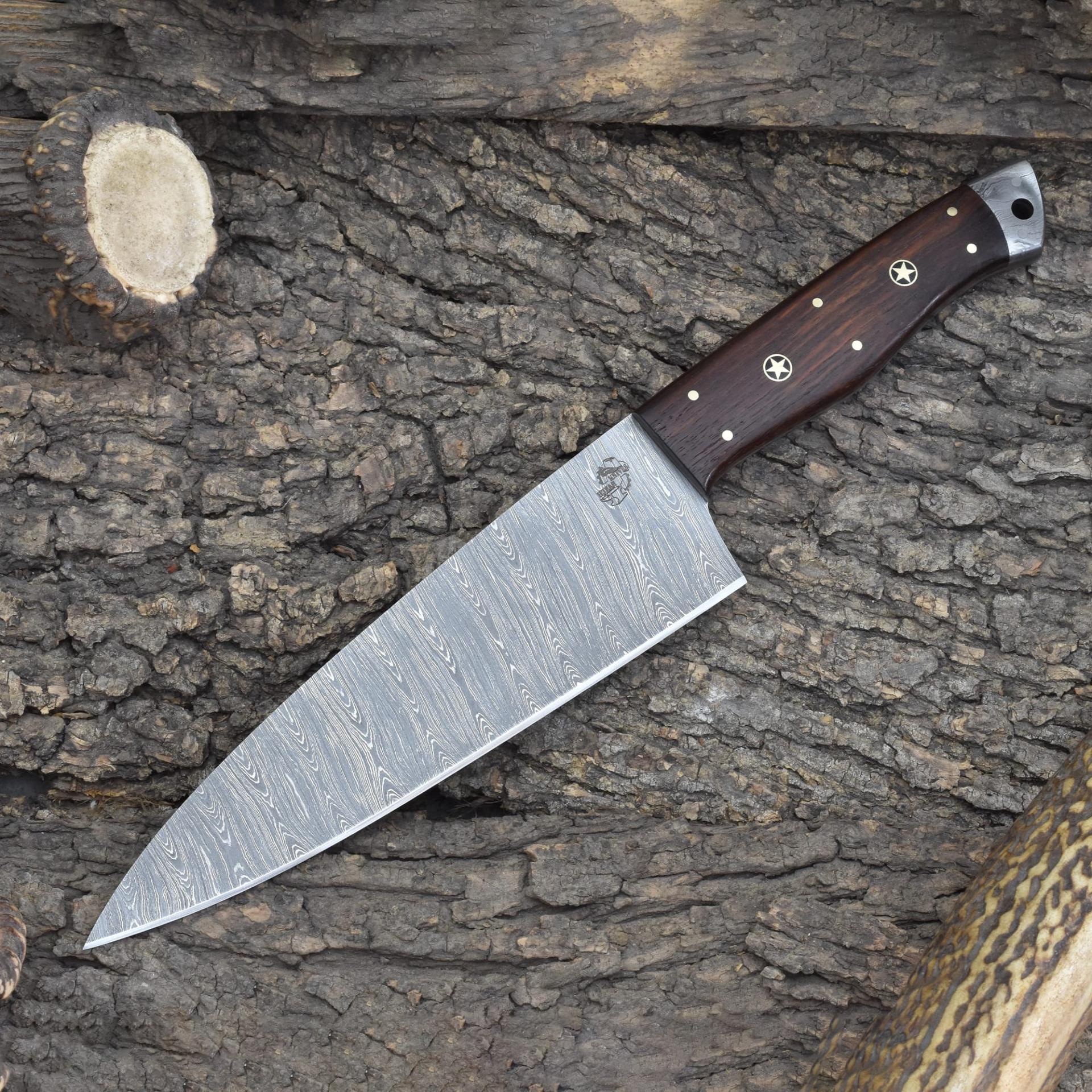
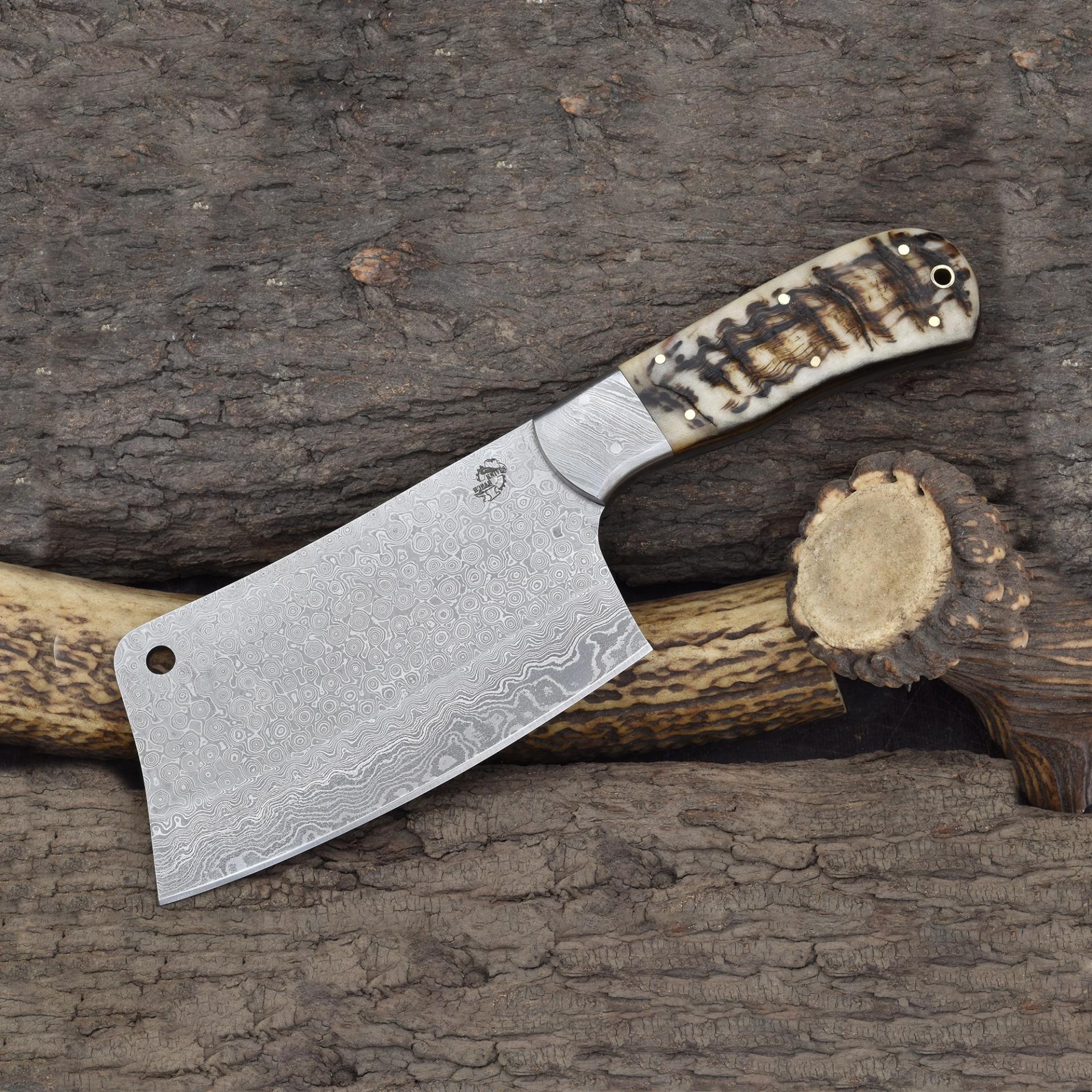
Damascus knives have become extremely popular in kitchens, but many people still wonder whether they are truly good for cooking or if they are mainly decorative. The short answer is yes; Damascus knives are excellent for cooking when they are made correctly. The long answer is more interesting and worth understanding, especially if you care about performance, comfort, and long-term value in the kitchen.
To judge whether Damascus knives are good for cooking, we need to look at how they cut, how they behave during long prep sessions, how they react to food acids, and how they compare to common kitchen knife materials.
How Damascus Knives Perform in Food Preparation
Cooking is all about controlled cutting. Whether you are slicing onions, chopping herbs, breaking down meat, or preparing vegetables, a knife must move smoothly through food without crushing it. Damascus knives are particularly strong in this area due to their fine edge geometry and steel structure.
The layered steels used in Damascus blades enable edge hardening without rendering the entire blade brittle. This means the knife can be ground thinner behind the edge, which improves slicing performance. In real kitchen use, this results in cleaner cuts, better control, and less effort during prep.
Many cooks notice that Damascus knives glide through ingredients rather than forcing their way through them. This is one of the biggest reasons they are so enjoyable to cook with.
Sharpness and Edge Retention in the Kitchen
Sharpness is critical in cooking, not just for speed but also for safety. A sharp knife requires less force, reducing the chance of slipping. Damascus knives are known for taking very sharp edges, especially when high-carbon steel is used in the core or layers.
In daily cooking, edge retention matters just as much as initial sharpness. Damascus knives tend to stay sharp longer than many standard stainless steel kitchen knives. This means fewer interruptions for sharpening and more consistent performance over time.
For cooks who spend long hours in the kitchen, this consistency makes a noticeable difference.
Balance, Control, and Comfort During Long Prep Sessions
Cooking often involves repetitive motion. Poorly balanced knives cause hand fatigue and wrist strain. Well-made Damascus kitchen knives are usually designed with balance in mind, placing the center of gravity where the blade and handle feel like one unit.
This balance improves control and reduces fatigue during extended prep work. Whether you are chopping vegetables for a family meal or preparing ingredients for service, a Damascus knife feels stable and predictable in the hand.
Handling materials also plays an important role. Many Damascus kitchen knives use Micarta, stabilized wood, bone, or hardwood handles that provide a secure grip even when hands are slightly wet.
How Damascus Knives Handle Different Foods
Damascus knives perform well across a wide range of foods. For vegetables, the fine edge allows clean cuts that preserve texture and appearance. Herbs are sliced cleanly instead of being bruised. Meats are cut smoothly without tearing the fibers.
For proteins like chicken, beef, or fish, the blade strength and edge stability help maintain control during trimming and portioning. Even tougher ingredients like squash or root vegetables can be handled confidently with the right Damascus chef knife.
This versatility is one reason many cooks prefer Damascus knives as their primary kitchen tools.
Carbon Damascus vs Stainless Damascus in Cooking
One important consideration in the kitchen is corrosion resistance. Traditional carbon Damascus knives can rust if neglected, especially when exposed to acidic foods like tomatoes, citrus, or vinegar. This does not make them unsuitable for cooking, but it does mean they require basic care.
Drying the blade after use and occasional oiling keeps carbon Damascus in excellent condition. Many cooks actually enjoy the patina that develops over time, as it adds character to the knife.
Stainless Damascus knives are easier to maintain and better suited for users who want low maintenance without sacrificing performance. Both options work well in cooking environments, depending on your preference.
Maintenance and Care in a Kitchen Setting
Damascus knives are not fragile, but they do benefit from proper care. Avoid dishwashers, wipe the blade after use, and store the knife safely. With these simple habits, a Damascus kitchen knife can last for decades.
Sharpening Damascus knives is also rewarding. The steel responds well to stones, allowing cooks to maintain a razor-sharp edge without excessive effort.
For serious cooks, this relationship with the knife becomes part of the cooking experience.
Are Damascus Knives Practical or Just Beautiful
There is no denying that Damascus knives are visually striking. However, their popularity in kitchens exists because of performance, not appearance alone. The layered steel structure directly contributes to cutting ability, durability, and edge stability.
When made properly, Damascus knives are practical tools first and beautiful objects second. Poor quality Damascus exists, but that is true of any knife category.
Craftsmanship matters more than patterns.
Cooking with Knives Ranch Damascus Knives
At Knives Ranch, Damascus kitchen knives are designed specifically for real cooking, not just display. Steel combinations are chosen to balance sharpness, toughness, and corrosion resistance. Each blade is heat-treated with care to ensure consistent performance during daily kitchen use.
Handle materials are selected for comfort and grip, making long prep sessions easier and safer. Whether you are a home cook or someone who cooks professionally, these knives are built to perform where it matters most, on the cutting board.
Final Thoughts
Damascus knives are not only good for cooking; they are exceptional when crafted correctly. They offer sharpness, control, balance, and cutting efficiency that many standard kitchen knives struggle to match.
For cooks who value performance and enjoy using tools that respond beautifully to skill and technique, Damascus knives are a rewarding choice. With proper care, they become trusted kitchen companions that improve both efficiency and enjoyment in cooking.
At Knives Ranch, we don’t just sell knives, we craft tools you can trust.
The Craft Behind Handmade Knives
Handmade knives combine tradition, skill, and performance, delivering tools that are built to last.

Knife industry professional with 20+ years of experience in manufacturing, global markets, and brand development. Founder of Knives Ranch Inc., focused on handcrafted, workhorse knives built to international standards.
Visit Personal Website

