







Damascus Knife vs Carbon Steel Knife
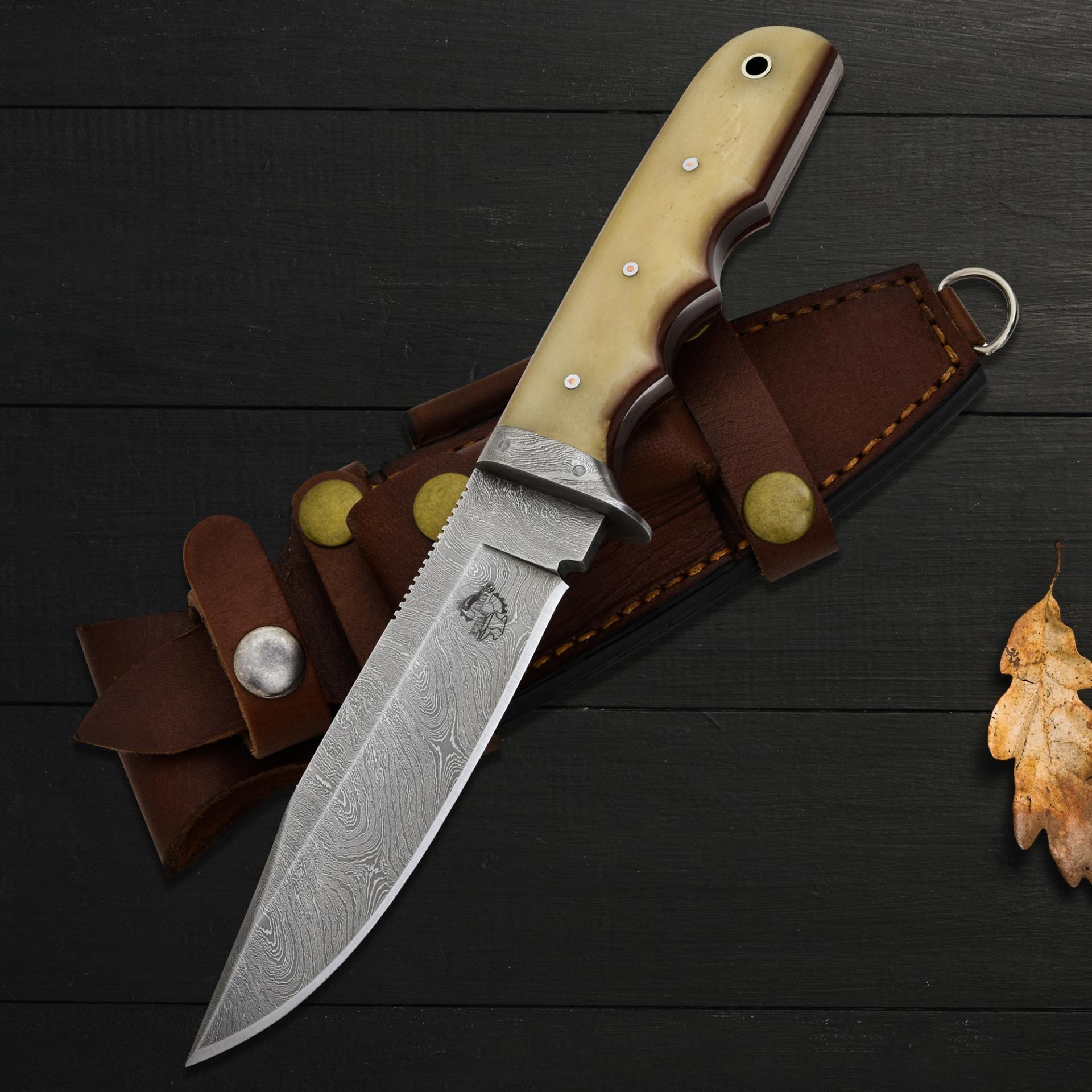
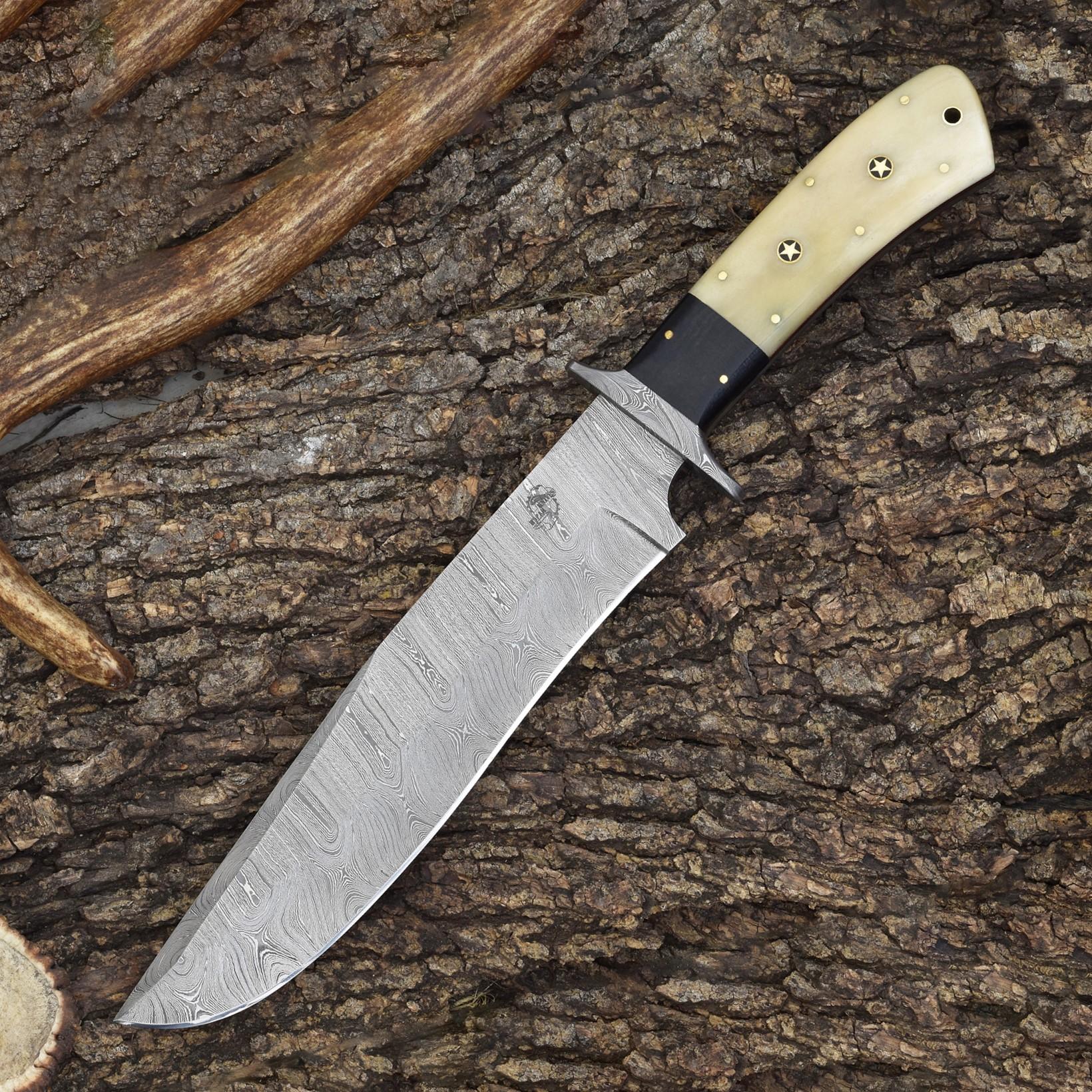
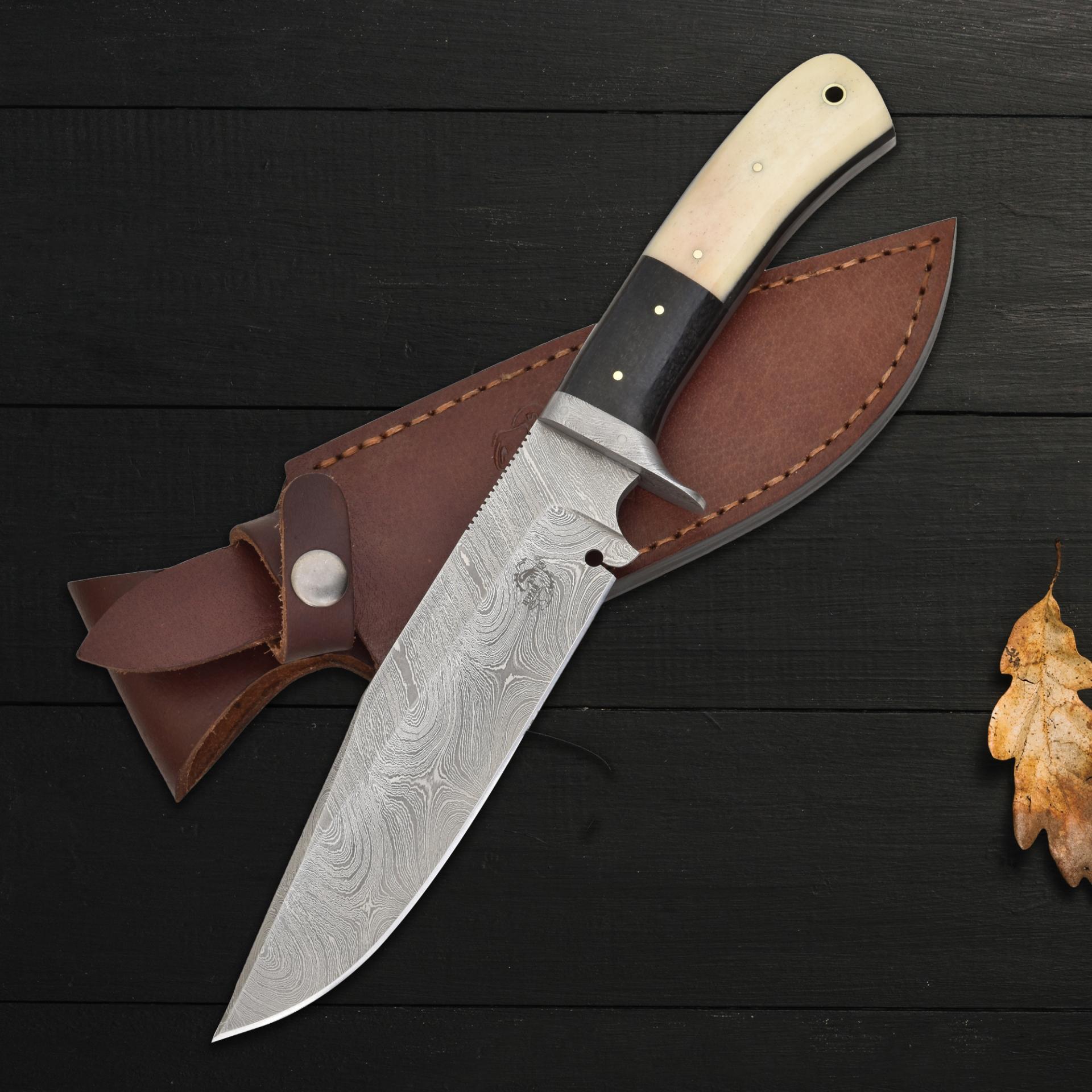
The comparison between a Damascus knife and a carbon steel knife is often misunderstood because many people assume they are two completely separate categories. In reality, carbon steel is frequently a core component of Damascus steel. The real difference lies not only in the material itself but in how that material is processed, layered, heat-treated, and ultimately how it behaves in real-world use. To make an informed decision, it is important to look beyond surface-level descriptions and understand metallurgy, performance characteristics, maintenance requirements, and long-term value.
This detailed guide breaks down the differences in depth so knife users, collectors, chefs, and hunters can clearly understand which option best fits their needs.
Understanding Carbon Steel Knives at a Fundamental Level
Carbon steel knives are made from steel alloys with a high carbon content and minimal chromium. Carbon is the element responsible for hardness. The more carbon present, the harder the steel can become when heat-treated properly. This hardness allows carbon steel knives to take extremely sharp edges, often sharper than many stainless steels.
Carbon steel responds very well to traditional sharpening methods. It sharpens quickly and forms a refined edge that feels aggressive and precise during cutting. This is why professional chefs and experienced knife users often gravitate toward carbon steel blades. The steel communicates clearly through the hand, giving feedback during cutting and sharpening.
However, carbon steel is reactive. It oxidizes easily when exposed to moisture, acids, and oxygen. This results in rust if neglected or patina if maintained properly. Patina is a controlled oxidation layer that darkens the blade and actually provides some protection. Many experienced users appreciate this natural aging process, but it does require discipline and consistent care.
Understanding Damascus Knives Beyond the Pattern
A Damascus knife is not defined by a single steel type. It is defined by a forging technique. Damascus blades are created by forge welding two or more steels together into layered billets. These billets are folded, twisted, manipulated, and welded repeatedly until the layers bond into a single solid blade.
Each steel in the Damascus construction serves a purpose. Typically, one steel provides high carbon content for hardness and edge retention. Another steel provides toughness, shock absorption, and flexibility. When heat-treated correctly, the layers function together as one unified structure.
The visible pattern on a Damascus blade is a result of the different chemical compositions of the steels. When etched, one steel darkens while the other remains lighter. This pattern is not decorative paint or surface engraving. It is a direct reflection of the blade’s internal structure.
Carbon Steel as the Backbone of Damascus Construction
One of the most important facts to understand is that carbon steel is often the backbone of Damascus steel. Many Damascus knives include high-carbon steels such as 1095, 1084, or similar grades. These steels form the cutting edge and provide the sharpness users expect.
What separates Damascus from a mono steel carbon blade is balance. A single carbon steel blade relies entirely on one steel’s properties. A Damascus blade distributes those properties across multiple steels. This allows knife makers to fine-tune performance in ways a single steel cannot easily achieve.
In this sense, Damascus knives are not a replacement for carbon steel. They are an evolution of carbon steel metallurgy.
Cutting Feel and Performance in Real Use
Carbon steel knives are often described as feeling raw and direct. When cutting, the blade engages the material immediately. There is very little resistance, and the edge bites aggressively. This makes carbon steel ideal for precision slicing and controlled cuts, especially in professional kitchens.
Damascus knives feel different. The layered structure allows cutting forces to spread more evenly across the blade. This results in smoother cutting motion, especially noticeable when slicing proteins, vegetables, or fibrous materials. The blade glides rather than bites aggressively.
Neither feel is superior. They are simply different. Carbon steel feels sharp and assertive. Damascus feels controlled and refined.
Edge Retention and Edge Stability Over Time
Carbon steel knives can be hardened to very high levels. This allows exceptional edge retention, but it also increases brittleness. A harder edge stays sharp longer but is more susceptible to chipping if twisted or misused.
Damascus knives address this issue by combining steels with different hardness levels. The harder layers support the edge, while the tougher layers protect it. This often results in better edge stability under varied conditions.
For users who perform multiple cutting tasks without perfect technique every time, Damascus knives tend to maintain usable sharpness longer without damage.
Toughness and Resistance to Failure
Toughness refers to a blade’s ability to absorb force without cracking or chipping. Carbon steel toughness depends entirely on the steel choice and heat treatment. Some carbon steels are extremely tough, while others prioritize hardness at the expense of durability.
Damascus knives distribute stress across layers. When force is applied, the blade reacts as a composite structure rather than a single rigid material. This reduces the chance of sudden failure and makes Damascus knives more forgiving in hunting, outdoor, and utility scenarios.
This is one reason Damascus knives have historically been valued for combat and field use.
Maintenance and Rust Behavior
Carbon steel knives require constant awareness. They must be cleaned and dried immediately after use. Acidic foods accelerate oxidation. Neglect leads to rust quickly.
Damascus knives that use carbon steel layers require similar care. However, when combined with alloy steels, Damascus knives may show slightly improved corrosion resistance depending on the steel ratio. Stainless Damascus exists, but traditional Damascus is typically carbon-based.
Users who enjoy maintaining their tools often appreciate carbon steel. Users who want performance with slightly more tolerance for error often prefer Damascus.
Long-Term Aging and Character
Carbon steel knives develop patina uniquely based on use. This gives each blade a personal history. Some users value this deeply, viewing patina as proof of experience and authenticity.
Damascus knives retain their pattern permanently. Over time, the blade gains character through wear rather than color change. The visual identity remains strong while the knife ages mechanically.
Carbon steel tells a story through color. Damascus tells a story through structure.
Skill Level and Learning Curve
Carbon steel knives demand respect. Beginners who neglect care or use improper technique may struggle initially. However, carbon steel also teaches discipline and sharpening skills quickly.
Damascus knives offer a smoother learning curve. They are more forgiving while still delivering high-level performance. This makes Damascus an excellent option for users transitioning from basic knives to premium blades.
Cost and Value Perspective
Carbon steel knives range from affordable to premium. Their value depends heavily on the maker and heat treatment quality.
Damascus knives typically cost more due to labor-intensive forging and finishing. However, when made correctly, they offer balanced performance, durability, and long-term reliability that justify the investment.
A well-made Damascus knife often outlasts cheaper alternatives and retains both functional and aesthetic value.
Damascus and Carbon Steel Philosophy at Knives Ranch
At Knives Ranch, Damascus knives are built on a foundation of carbon steel knowledge. Steel combinations are selected based on compatibility, carbon content, and heat response. Every blade is forged, heat-treated, and finished with performance as the priority.
Knives Ranch Damascus knives are designed for real use, whether in kitchens, hunting fields, or outdoor environments. The goal is not just sharpness, but balance between edge retention, toughness, and long-term reliability.
Final Thoughts
Damascus knives and carbon steel knives are closely connected rather than opposing choices. Carbon steel delivers purity, extreme sharpness, and tradition. Damascus builds upon that foundation by introducing balance, toughness, and structural refinement.
If you value direct cutting feel and enjoy maintenance, carbon steel is deeply rewarding. If you want high performance with added durability and forgiveness, Damascus offers a broader range of benefits.
The right choice depends on how you use your knife, how much care you are willing to provide, and what kind of experience you value. When quality craftsmanship is present, both options can become lifetime tools.
At Knives Ranch, we don’t just sell knives, we craft tools you can trust.
The Craft Behind Handmade Knives
Handmade knives combine tradition, skill, and performance, delivering tools that are built to last.

Knife industry professional with 20+ years of experience in manufacturing, global markets, and brand development. Founder of Knives Ranch Inc., focused on handcrafted, workhorse knives built to international standards.
Visit Personal Website

