







Damascus Knife vs Japanese Knife
A Deep, Practical Comparison Without the Fluff
When people compare a Damascus knife with a Japanese knife, the discussion often becomes confusing because both are premium, both are sharp, and both are respected worldwide. The real difference is not about which one is better overall. It is about how they are made, how they behave during use, and what kind of knife user you are.
This comparison explains everything in clear, flowing detail so you understand performance, steel behavior, durability, maintenance, and real kitchen usability without jumping between bullet points.
Philosophy Behind Damascus Knives
Damascus knives are built around balance. The idea is not to chase extreme hardness or razor-thin edges at the cost of strength. Instead, Damascus blades are created by forge welding multiple steels together so that hardness and toughness work as a team rather than competing against each other.
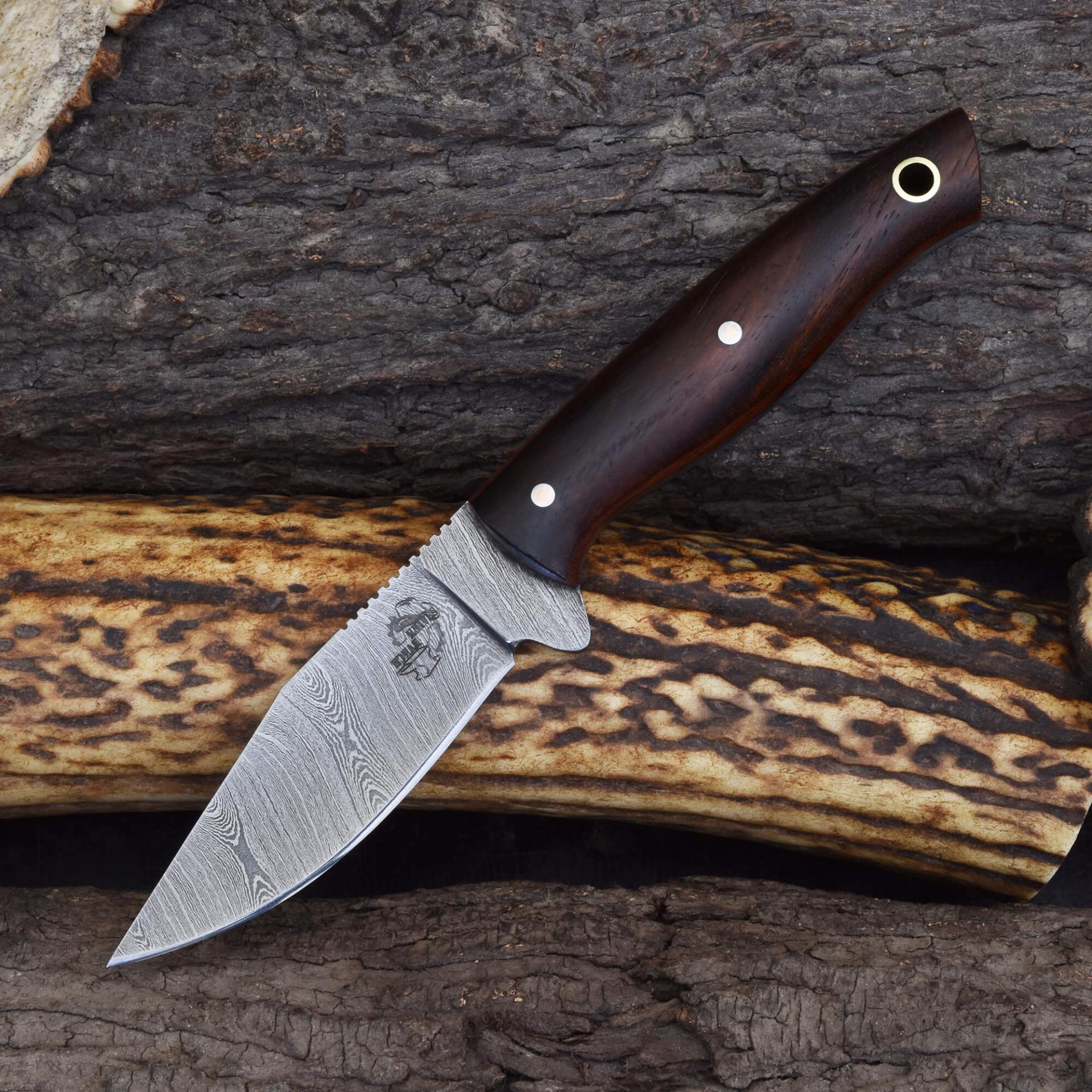
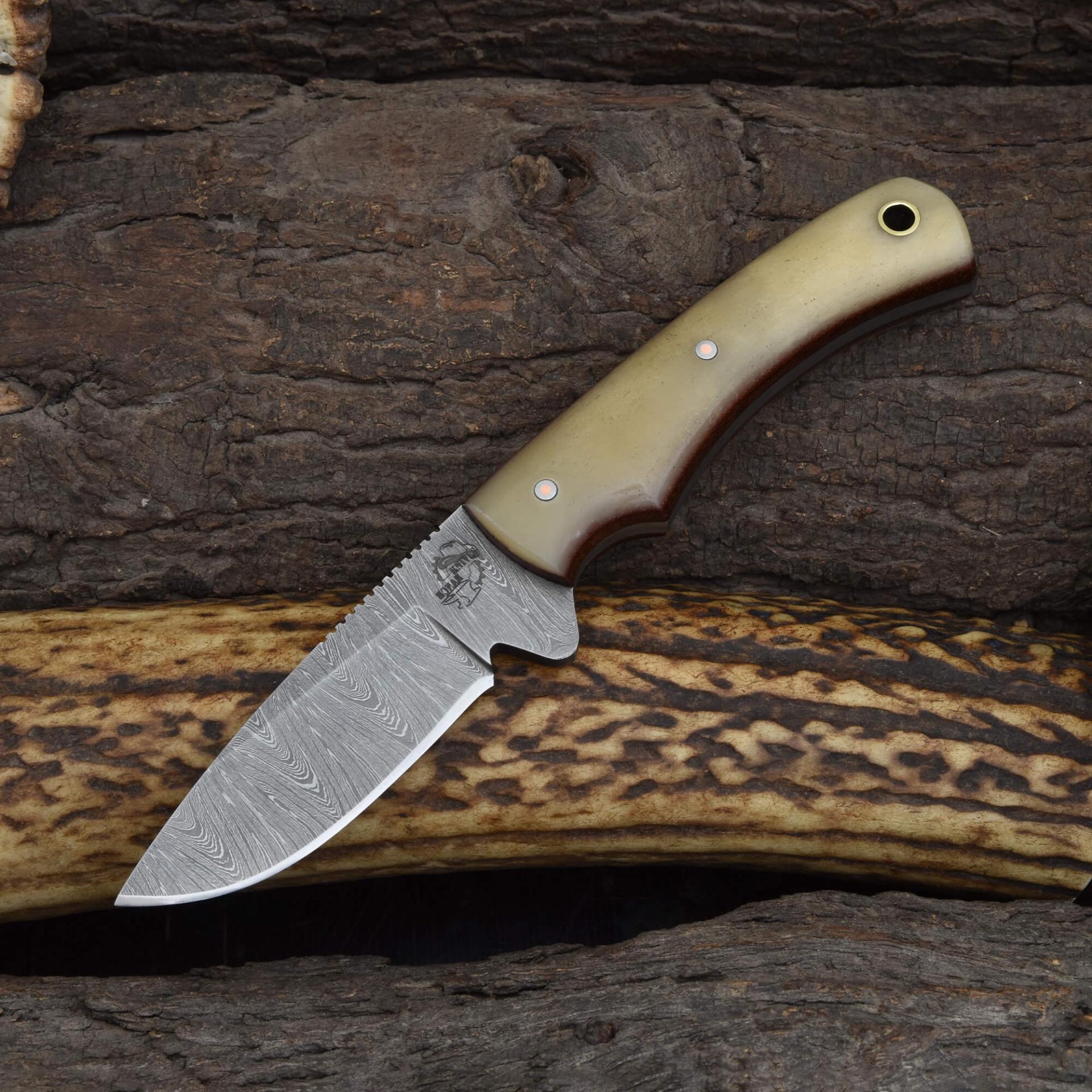
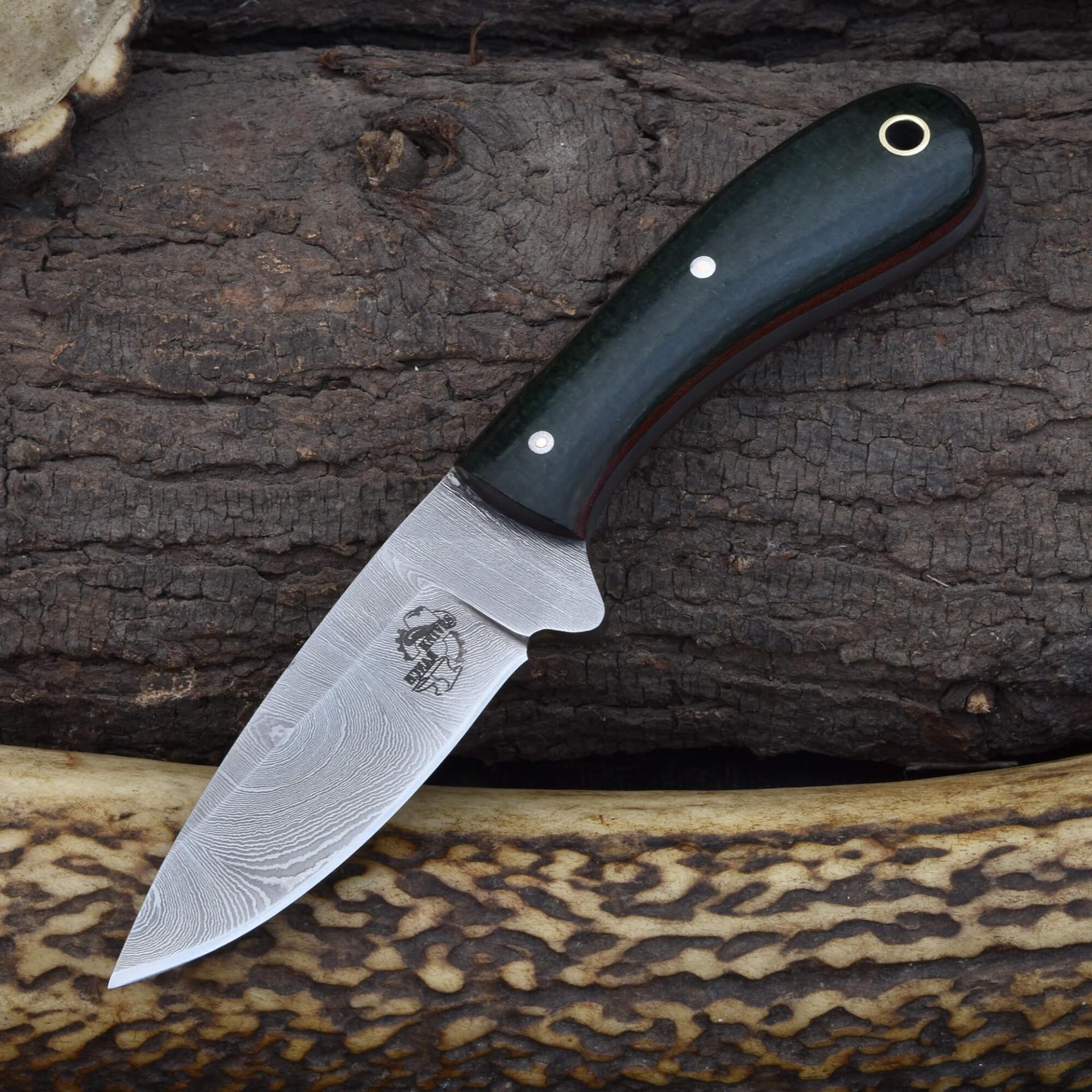
Because different steels are layered and fused into one solid blade, stress during cutting is distributed across the entire structure. This makes Damascus knives forgiving in daily use. They perform well whether you are slicing meat, chopping vegetables, or doing heavier prep work. The famous pattern is not just decorative. It is visual proof of the layered construction inside the blade.
Damascus knives are designed for real-world users who want reliability, strength, and long-term performance without constantly worrying about damaging the edge.
Philosophy Behind Japanese Knives
Japanese knives are built with a very different mindset. Precision comes first. Japanese blade makers focus on achieving the cleanest possible cut with the least amount of effort. The steel is hardened to very high levels, allowing the edge to become extremely thin and sharp.
This sharpness makes Japanese knives exceptional for tasks like fine vegetable slicing, sushi preparation, and presentation-focused cooking. However, the tradeoff is durability. Hard steel does not forgive mistakes easily. Twisting, hard impacts, or cutting the wrong ingredients can damage the edge.
Japanese knives reward skill and discipline. They are tools for cooks who value control and technique above all else.
Steel and Metallurgy Differences
Damascus knives use a combination of steels, usually high-carbon steel for edge retention paired with tougher steel for flexibility. When these steels are forge-welded correctly, the blade gains both sharpness and resilience. The knife bends slightly under stress instead of chipping or snapping.
Japanese knives usually rely on a single high-performance steel. Traditional options like White Steel and Blue Steel focus on purity and sharpness. Modern versions may use stainless steels like VG10 or SG2. These steels are incredibly sharp but less tolerant of abuse.
In simple terms, Damascus steel is designed to absorb stress, while Japanese steel is designed to cut with maximum efficiency.
Cutting Feel and Edge Behavior
A Damascus knife feels solid and confident in the hand. The edge is sharp but supported by enough steel to handle pressure. This makes it suitable for long cooking sessions where consistency matters more than absolute sharpness.
A Japanese knife feels light, fast, and extremely precise. The blade glides through food with minimal resistance. However, the thin edge requires careful technique and attention. One wrong move can damage the blade.
This difference becomes obvious over time. Damascus knives stay dependable even when conditions are not perfect. Japanese knives demand perfection from the user.
Durability and Daily Use Reality
Damascus knives are more durable by design. The layered construction allows them to handle tougher tasks without complaint. They tolerate slight twisting, uneven pressure, and long prep sessions better than harder mono steel blades.
Japanese knives are more fragile. Their hardness makes them excellent cutters but poor shock absorbers. They perform best on soft cutting boards and with controlled movements.
For home cooks and professionals who want peace of mind, durability becomes just as important as sharpness.
Maintenance and Long-Term Ownership
Damascus knives are generally easier to live with. Carbon Damascus requires drying and occasional oiling, but sharpening is forgiving, and edge repairs are simpler. Stainless Damascus reduces maintenance even further.
Japanese knives require more attention. Hard steels need proper sharpening stones and careful technique. Maintenance becomes part of ownership, not an afterthought.
Over years of use, Damascus knives tend to age more gracefully, while Japanese knives demand ongoing commitment.
Handles, Comfort, and Control
Damascus knives often feature robust handle materials like Micarta, bone, blue bone, stabilized wood, and resin composites. These materials are chosen for grip, durability, and comfort during long use.
Japanese knives usually have lightweight wooden handles designed for balance and precision. They feel elegant and responsive but are less rugged.
Handle choice affects how confident a knife feels during extended use, especially for users with larger hands or stronger cutting styles.
Which One Is Right for You?
If you value versatility, strength, and ease of ownership, a Damascus knife is the smarter choice. It adapts to different tasks and forgives small mistakes.
If you value ultimate sharpness, precision, and refined technique, a Japanese knife can be deeply satisfying, but only if you are willing to respect its limitations.
Where Knives Ranch Fits In
At Knives Ranch, Damascus knives are crafted specifically to bridge the gap between performance and durability. The steel combinations are selected to provide strong edge retention without brittleness. Handles are designed for real comfort, not just appearance. These knives are made for people who want premium performance without constant worry.
For users who admire Japanese cutting performance but want a blade that survives daily use with confidence, Knives Ranch Damascus knives offer a practical and professional solution.
Final Thoughts
Damascus knives and Japanese knives are both exceptional, but they serve different lifestyles. Japanese knives are instruments of precision that reward skill. Damascus knives are dependable companions built for real-world cooking.
If you want beauty, strength, and versatility in one blade, Damascus is the better long-term investment. If you want extreme sharpness and are willing to commit to technique and care, Japanese knives will impress you every time.
The right choice is not about trends. It is about how you cook, how you work, and how much reliability matters to you.
At Knives Ranch, we don’t just sell knives, we craft tools you can trust.
The Craft Behind Handmade Knives
Handmade knives combine tradition, skill, and performance, delivering tools that are built to last.

Knife industry professional with 20+ years of experience in manufacturing, global markets, and brand development. Founder of Knives Ranch Inc., focused on handcrafted, workhorse knives built to international standards.
Visit Personal Website

