







How to Care for a Damascus Knife
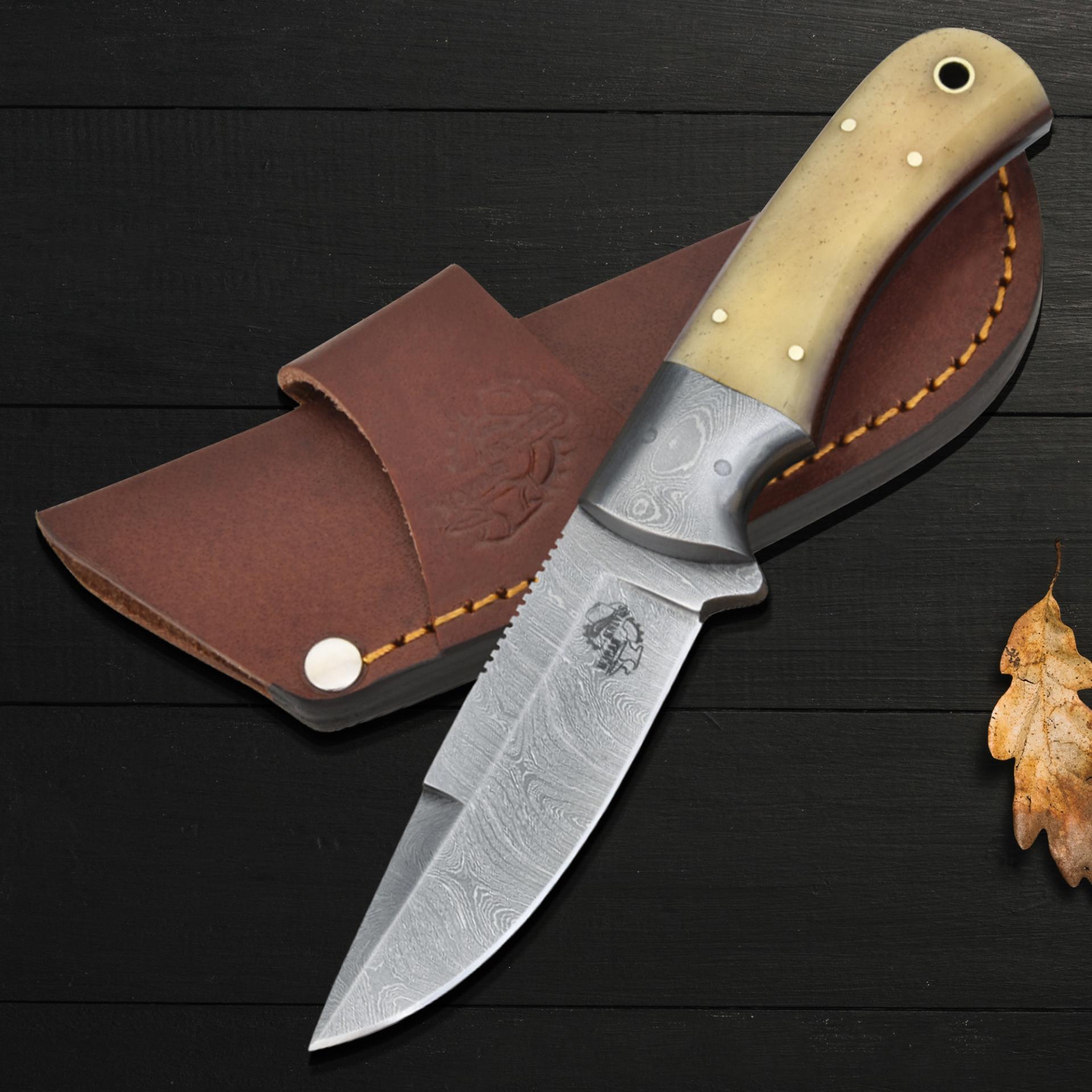
Knives Ranch Classic Damascus Steel Knife with Bone Handle and Side Mount Horizontal Sheath
$100.00
View Details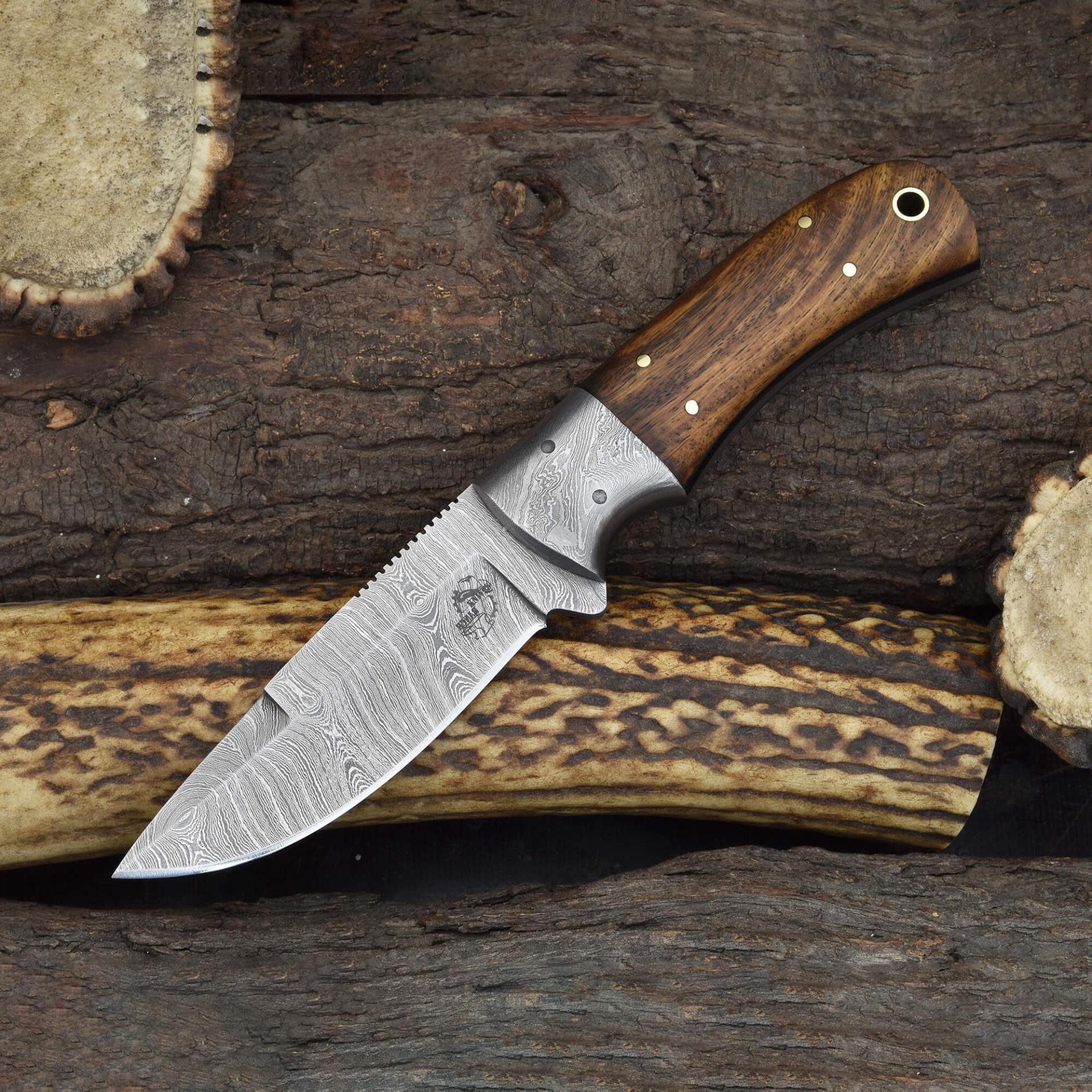
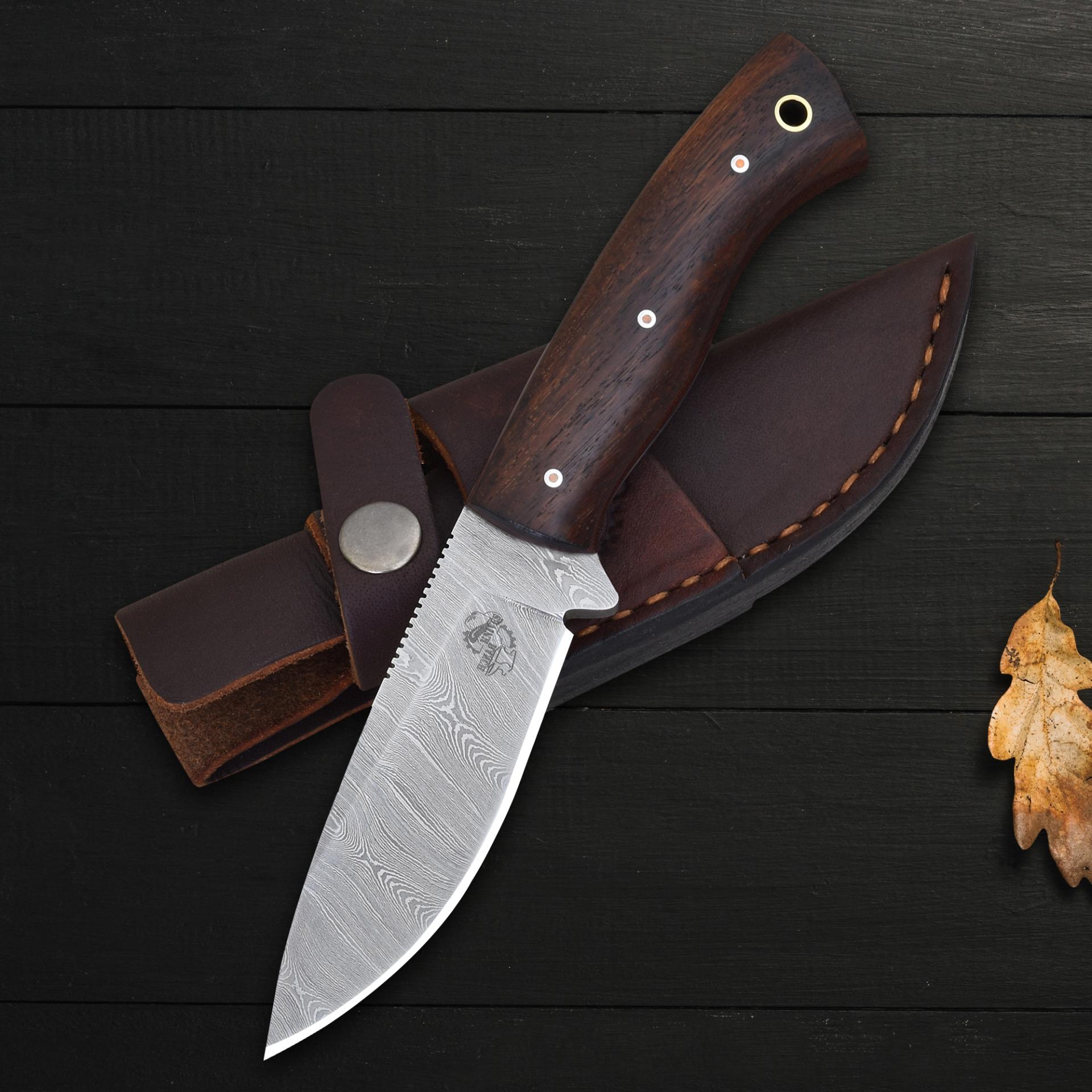
Knives Ranch Classic Damascus Steel Knife with Rosewood Handle and Side Mount Horizontal Sheath
$100.00
View DetailsA Complete, Practical Guide for Long Lasting Performance
A Damascus knife is not just a cutting tool. It is a combination of craftsmanship, steel science, and performance. When properly cared for, a Damascus knife can last decades while maintaining its sharpness, strength, and visual beauty. When neglected, even the best Damascus blade can lose performance or develop corrosion.
Proper care is not complicated, but it does require consistency. This guide explains in detail how to care for a Damascus knife, so it continues to perform at its best in real use.
Understanding Why Damascus Knives Need Care
Most Damascus knives contain high-carbon steel in their layered construction. Carbon steel is excellent for sharpness and edge retention, but it reacts more easily with moisture, oxygen, and acids. This is why Damascus knives require more attention than fully stainless blades.
The layered steel structure itself is not fragile. The care is about protecting the surface and the edge from corrosion and unnecessary wear, not about babying the knife.
Once you understand this, proper care becomes a natural habit rather than a chore.
Cleaning Your Damascus Knife After Use
Always clean your Damascus knife immediately after use. This is especially important after cutting food, particularly acidic ingredients like tomatoes, citrus, onions, or vinegar-based items.
Wash the blade gently with warm water and mild soap if needed. Avoid soaking the knife in water. Prolonged exposure to moisture increases the risk of surface rust, especially around the edge and layered lines.
After washing, dry the knife completely with a soft towel. Pay attention to the spine, handle junction, and any textured areas where moisture can hide.
Never place a Damascus knife in a dishwasher. The heat, chemicals, and moisture can damage the blade and handle.
Drying and Moisture Control
Drying is one of the most important steps in Damascus knife care. Even small amounts of moisture left on the blade can lead to oxidation over time.
After drying with a towel, allow the knife to air dry for a few minutes before storage. This ensures that hidden moisture evaporates.
In humid environments, extra care is necessary. Using a food-safe protective oil helps create a barrier between the steel and the air.
Oiling the Blade for Protection
Applying a thin layer of oil protects the blade from rust and helps maintain the steel's surface condition. Use food-safe mineral oil or specialized knife oil, especially if the knife is used in the kitchen.
Apply a few drops to a clean cloth and wipe the blade lightly. The goal is not to coat it heavily, but to leave a barely visible protective layer.
For knives stored long-term, oiling is even more important. Reapply oil periodically, depending on humidity and usage.
Cutting Surfaces Matter
The surface you cut on has a huge impact on edge life. Always use wooden or high-quality synthetic cutting boards. These surfaces are gentle on the edge and help preserve sharpness.
Avoid glass, stone, ceramic, or marble surfaces. These materials will quickly dull or chip the edge of a Damascus knife, regardless of the steel's quality.
Good cutting habits extend the life of both the edge and the blade.
Sharpening a Damascus Knife Properly
Damascus knives sharpen very well, but they should be sharpened correctly. Whetstones are the preferred method because they allow controlled material removal and preserve edge geometry.
Use light pressure and consistent angles. There is no need to grind aggressively. Damascus steel responds well to steady, patient sharpening.
Avoid cheap pull-through sharpeners. These remove too much material and can damage the edge over time. Professional sharpening is a good option if you are unsure.
Regular light maintenance keeps the knife performing better than infrequent heavy sharpening.
Honing and Edge Maintenance
Honing does not sharpen the blade but realigns the edge. Light honing or stropping helps maintain sharpness between sharpening sessions.
Use gentle strokes and avoid excessive force. Over-honing can cause more harm than good.
This simple habit can significantly extend the time between full sharpenings.
Safe Storage of Damascus Knives
Proper storage prevents accidental damage and corrosion. Store Damascus knives in a dry environment where the blade is protected.
Knife blocks, magnetic strips, blade guards, or dedicated knife rolls all work well. Make sure the blade is dry and lightly oiled before long-term storage.
Avoid loose drawers that allow the knife to contact other metal objects or trap moisture.
Handle Care and Maintenance
Handles require care, too. Wood, bone, and natural materials benefit from occasional oiling to prevent drying or cracking. Micarta and composite handles require minimal maintenance but should still be kept clean and dry.
Avoid leaving the knife in wet environments where moisture can seep into the handle.
A well-maintained handle improves comfort and safety during use.
What to Avoid When Caring for Damascus Knives
Avoid using Damascus knives for prying, twisting, or cutting hard materials like metal or frozen foods. These actions stress the edge and blade.
Do not leave the knife dirty or wet for extended periods. Avoid harsh chemicals and abrasive cleaners.
Respect the knife as a cutting tool, and it will perform reliably.
Caring for Knives Ranch Damascus Knives
At Knives Ranch, Damascus knives are built for real use, but proper care ensures they stay at peak performance. Steel selection and heat treatment are designed to reward good maintenance with long edge life and durability.
Following these care practices allows your knife to maintain its sharpness, strength, and appearance for many years.
Final Thoughts
Caring for a Damascus knife is not difficult. It is about awareness, routine, and respect for the material. Clean it after use, dry it thoroughly, lubricate it, sharpen it correctly, and store it safely.
With these habits, a Damascus knife becomes more than a tool. It becomes a reliable companion that improves with time and delivers consistent performance for a lifetime.
At Knives Ranch, we don’t just sell knives, we craft tools you can trust.
The Craft Behind Handmade Knives
Handmade knives combine tradition, skill, and performance, delivering tools that are built to last.

Knife industry professional with 20+ years of experience in manufacturing, global markets, and brand development. Founder of Knives Ranch Inc., focused on handcrafted, workhorse knives built to international standards.
Visit Personal Website

