







How to Clean Damascus Steel Properly
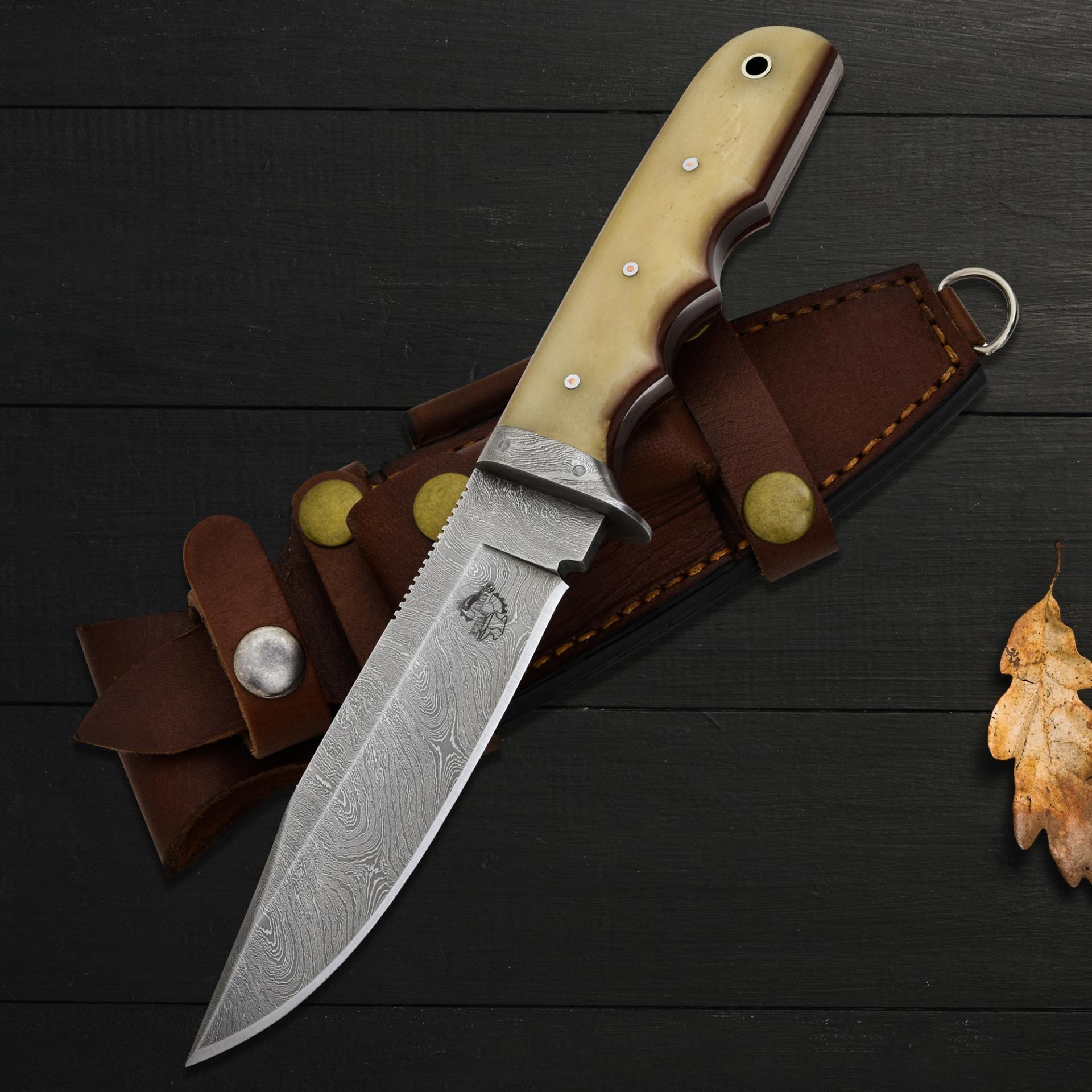
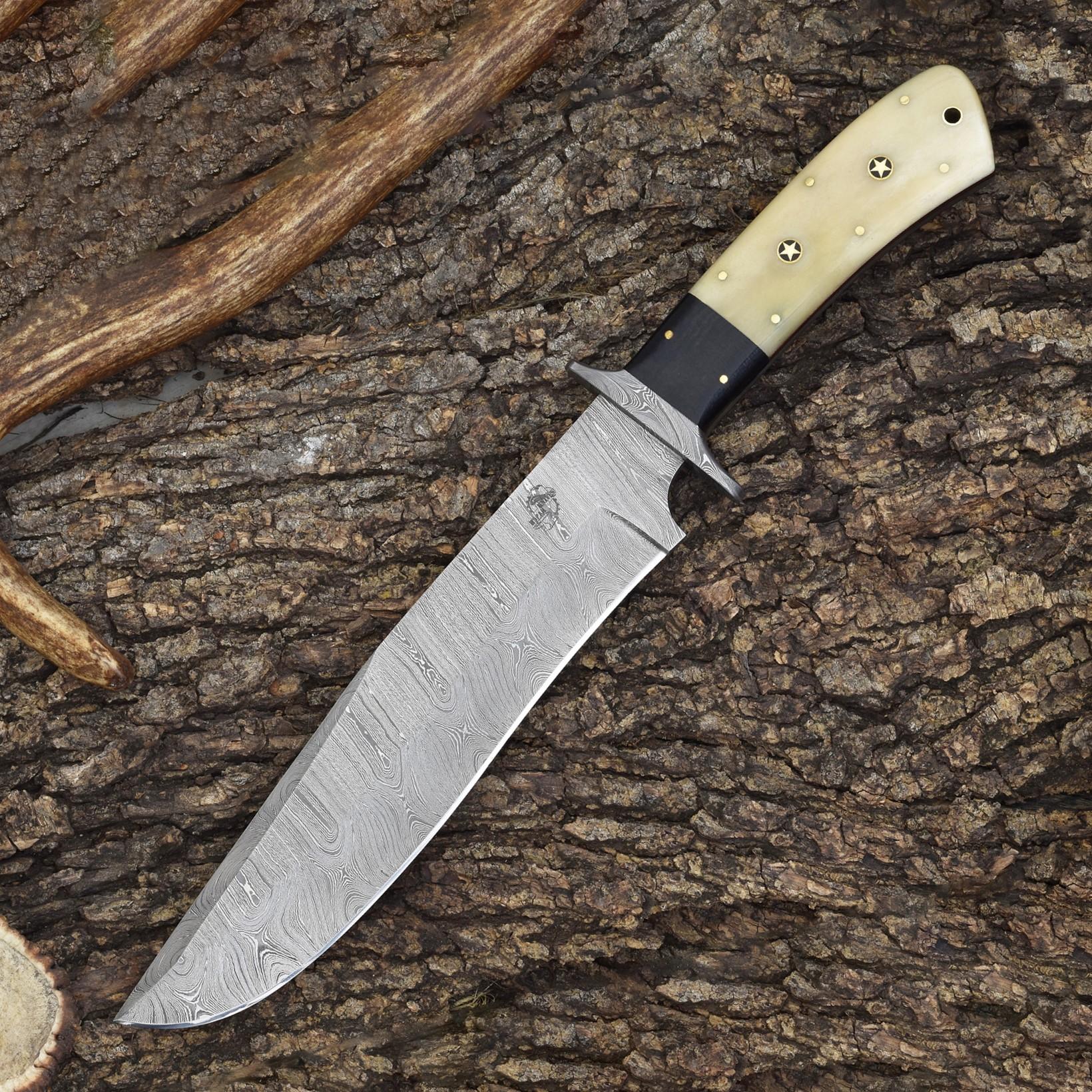
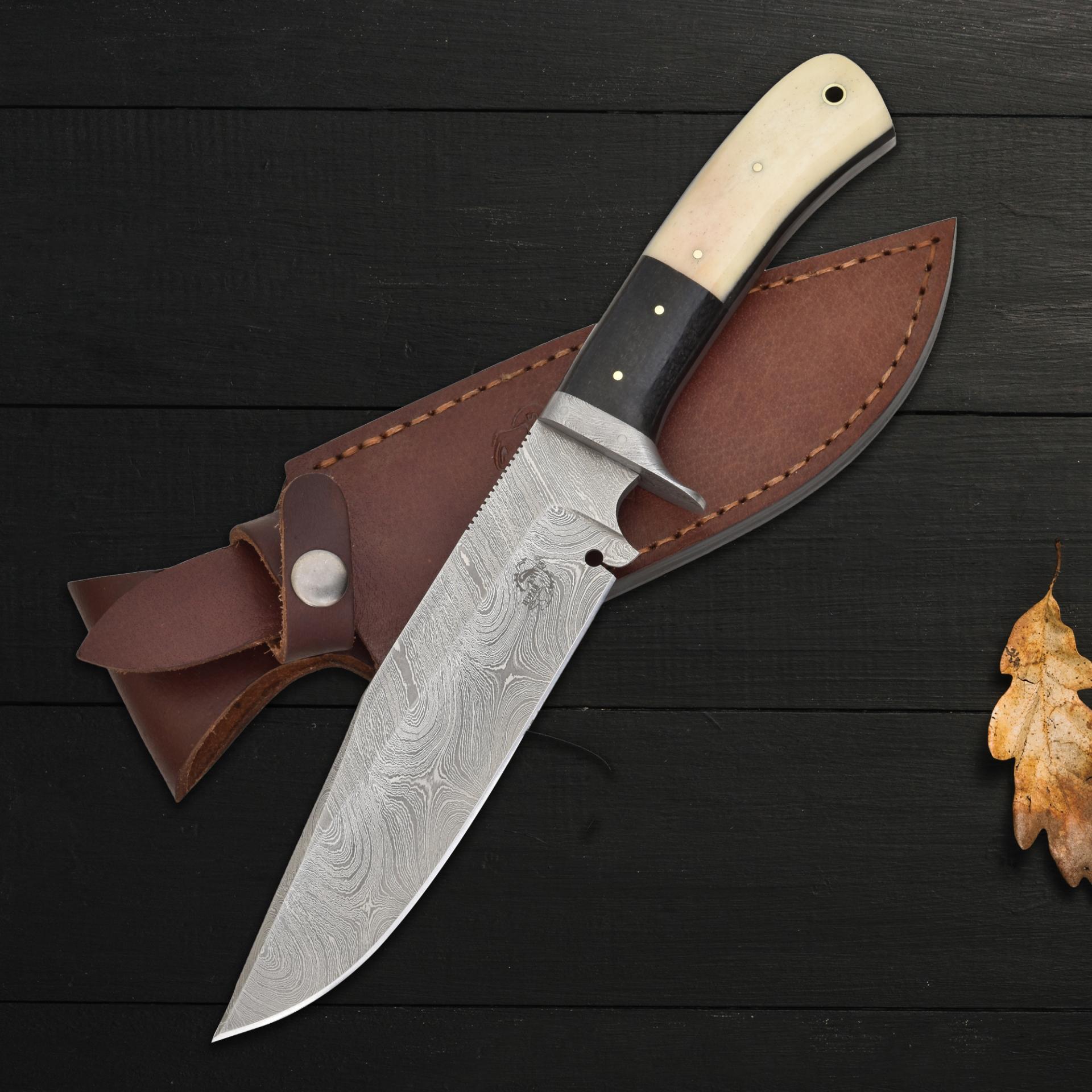
Damascus steel is admired for its distinctive layered patterns, razor-sharp performance, and handcrafted character. However, these same qualities mean that Damascus steel requires more careful handling than ordinary stainless steel. Cleaning a Damascus blade correctly is not just about keeping it looking good. It is essential for preserving the steel layers, preventing rust, and maintaining long-term performance. In this guide, you will learn how to clean Damascus steel properly, using the same deep, practical approach serious knife users and craftsmen follow.
Why Proper Cleaning of Damascus Steel Matters
Damascus steel is usually made by forge welding multiple steels, many of which are high-carbon. Carbon steel delivers exceptional sharpness and edge retention, but it reacts quickly to moisture, acids, and salts. Even a brief exposure to water or food residue can initiate oxidation if the blade is neglected. Unlike stainless steel, Damascus does not forgive poor cleaning habits. Proper cleaning protects the blade’s pattern, prevents corrosion, and ensures the knife remains safe and hygienic for use.
Cleaning Damascus Steel After Everyday Use
After using a Damascus knife for cooking, hunting, or general tasks, cleaning should be done immediately. Rinse the blade under lukewarm water and apply a small amount of mild dish soap. Gently clean the surface using a soft sponge or cloth. Always clean along the length of the blade rather than scrubbing aggressively. Harsh scrubbing can damage the etched Damascus pattern and dull the blade’s appearance over time.
Avoid soaking the knife in water, and never place Damascus steel in a dishwasher. Dishwashers expose blades to heat, moisture, and harsh detergents, which can permanently damage the steel and the handle materials.
Drying the Blade the Right Way
Drying is just as important as washing. Leaving moisture on Damascus steel, even for a few minutes, can lead to rust spots. After washing, immediately dry the blade using a clean cotton or microfiber cloth. Pay close attention to the spine, edge, handle junction, and any engraved areas where water can hide. Air drying is not recommended for Damascus steel because tiny water droplets can remain unnoticed.
Removing Stains, Fingerprints, and Light Discoloration
Over time, Damascus steel may develop fingerprints, light stains, or a dull appearance. This is normal and does not mean the blade is damaged. To remove these marks, create a gentle paste using baking soda and water. Apply it with a soft cloth and rub lightly in the direction of the blade's grain. This method safely lifts stains without harming the steel layers or etched pattern.
Never use bleach, vinegar, ammonia, or abrasive metal cleaners. Strong chemicals react with carbon steel and can permanently alter the Damascus pattern.
Oiling Damascus Steel After Cleaning
Once the blade is clean and fully dry, oiling is essential. Apply a thin, even layer of food-safe mineral oil or camellia oil to the blade surface. Oil acts as a protective barrier, preventing moisture and oxygen from reaching the steel. This step is especially important if the knife will not be used daily.
Professional knife makers and premium brands like Knives Ranch strongly recommend regular oiling as part of proper Damascus knife maintenance. A lightly oiled blade not only resists rust but also keeps the pattern looking deep and vibrant.
Cleaning Damascus Steel Used for Food
If the knife is used in the kitchen, hygiene is a major concern. Always clean the blade immediately after cutting acidic foods like tomatoes, citrus fruits, or onions. Acids accelerate oxidation in carbon steel. Wash, dry, and oil the blade before storing it. This routine keeps the knife safe for food preparation while protecting the steel.
Long Term Storage and Cleaning Care
Before storing a Damascus knife for long periods, ensure it is thoroughly cleaned, dried, and lightly oiled. Avoid storing Damascus steel in leather sheaths for long-term storage, as leather can trap moisture. Instead, store the knife in a dry place or a breathable storage sleeve. If you live in a humid environment, check the blade periodically and reapply oil when needed.
Common Cleaning Mistakes to Avoid
Many Damascus knives are damaged not by use but by improper cleaning habits. Avoid leaving the knife wet, soaking it in water, using abrasive pads, or skipping oiling. These mistakes slowly degrade the steel and ruin the blade’s appearance. Damascus steel rewards careful owners with decades of reliable service and timeless beauty.
Final Thoughts
Cleaning Damascus steel is not difficult, but it does require discipline and consistency. A simple routine of gentle washing, immediate drying, and light oiling after each use will protect the blade’s strength, sharpness, and iconic pattern. When properly cared for, a Damascus knife becomes more than a tool. It becomes a lifelong companion. This is the level of care followed by experienced craftsmen and trusted knife makers like Knives Ranch, and it is the standard every Damascus knife owner should aim to maintain.
At Knives Ranch, we don’t just sell knives, we craft tools you can trust.
The Craft Behind Handmade Knives
Handmade knives combine tradition, skill, and performance, delivering tools that are built to last.

Knife industry professional with 20+ years of experience in manufacturing, global markets, and brand development. Founder of Knives Ranch Inc., focused on handcrafted, workhorse knives built to international standards.
Visit Personal Website

